Description
Buy High-Quality Activated Carbon in Kenya | Phynetech Water Treatment Solutions
Product Overview
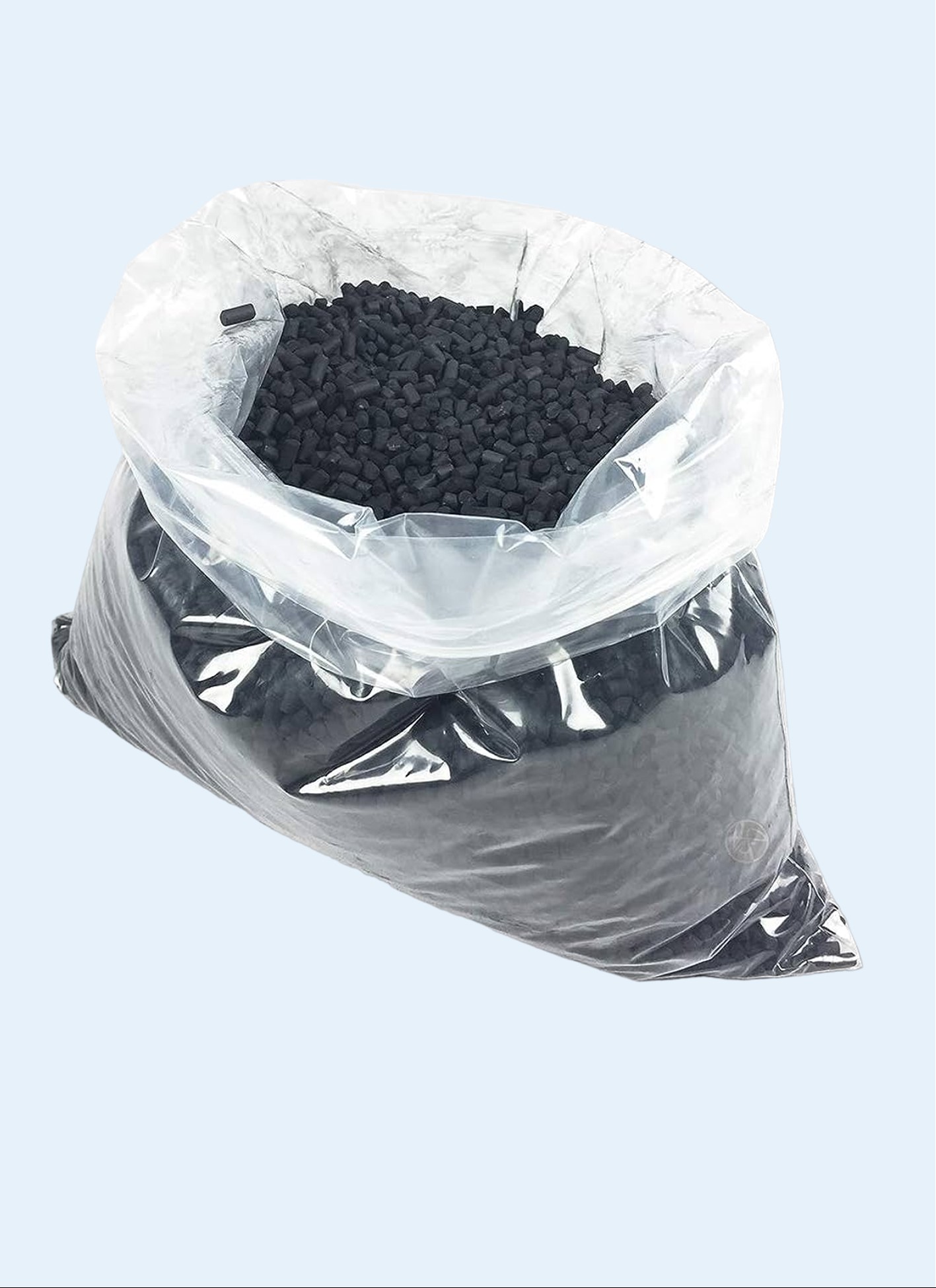 Activated Carbon is a highly porous filtration medium engineered to remove dissolved organic contaminants, chlorine, and unpleasant tastes or odors from water. Unlike sand filters that trap physical particles, activated carbon works through a process called adsorption. In this process, pollutants chemically “stick” to the massive internal surface area of the carbon granules.
A single gram of high-quality activated carbon can have a surface area exceeding 1,000 square meters. This makes it incredibly effective at “polishing” water, ensuring it is not only safe but also clear and refreshing to drink. For industrial operators, it is a critical safeguard for Reverse Osmosis (RO) systems, as it neutralizes free chlorine that would otherwise chemically “burn” and destroy expensive RO membranes.
Applications in Kenya
In the Kenyan water treatment landscape, activated carbon is essential for correcting common aesthetic and chemical issues.
- Borehole Water Deodorization: Highly effective at removing the “rotten egg” smell (Hydrogen Sulfide) common in boreholes in Nairobi, Kitengela, and the Rift Valley.
- Dechlorination for RO Systems: A mandatory pretreatment step for municipal water purifiers in urban areas like Ruiru and Thika to protect polyamide membranes.
- Beverage and Food Processing: Used by bottling plants to ensure the water used in production is completely free of trace chemicals and off-flavors.
- Wastewater Polishing: Employed as a final stage in effluent treatment plants (ETP) to remove color and organic dyes before discharge.
How to Choose the Right Activated Carbon
The quality of carbon is measured by its “Iodine Value,” which indicates its porosity.
- Coconut Shell Carbon: The gold standard for drinking water. It has a high iodine value (1000+ mg/g) and a superior microporous structure for trapping small molecules like chlorine.
- Coal-Based Carbon: Generally used for wastewater or air purification where larger organic molecules (macropores) need to be captured.
- Granular (GAC) vs. Powdered (PAC): Granular carbon is preferred for continuous flow filter tanks, while powdered carbon is used for batch treatment or sudden contamination spikes.
Why Buy Activated Carbon From Phynetech?
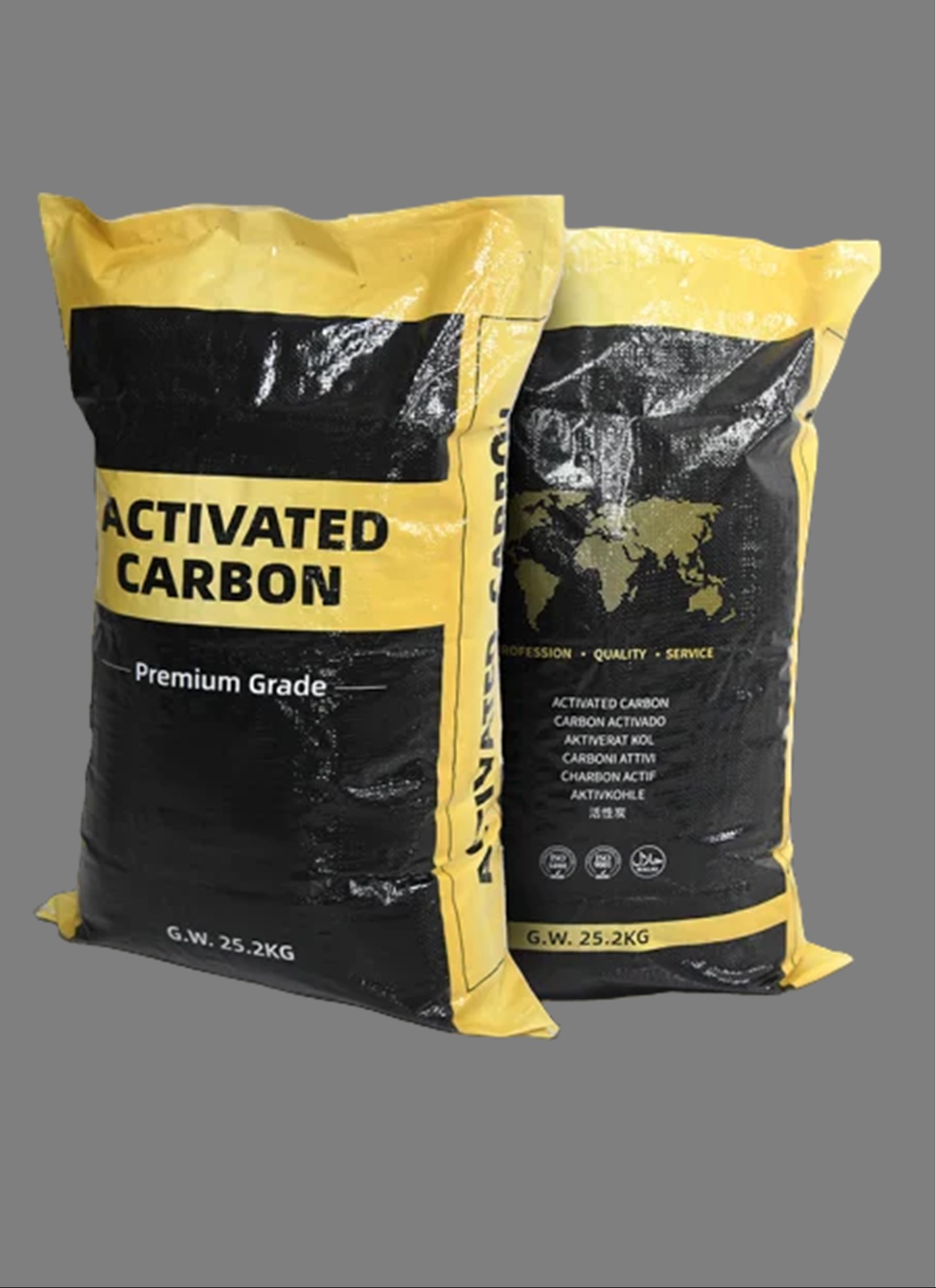 At Phynetech, we supply premium-grade media that meets stringent food and industrial safety standards.
- Professional Technical Advice: We help you determine the correct “Empty Bed Contact Time” (EBCT) to ensure maximum contaminant removal.
- High Iodine Value: Our carbon is sourced for its high adsorption capacity, meaning you use less media to achieve better results.
- Countrywide Delivery: We offer rapid dispatch and delivery to any town in Kenya via our reliable courier partners.
Delivery & Installation
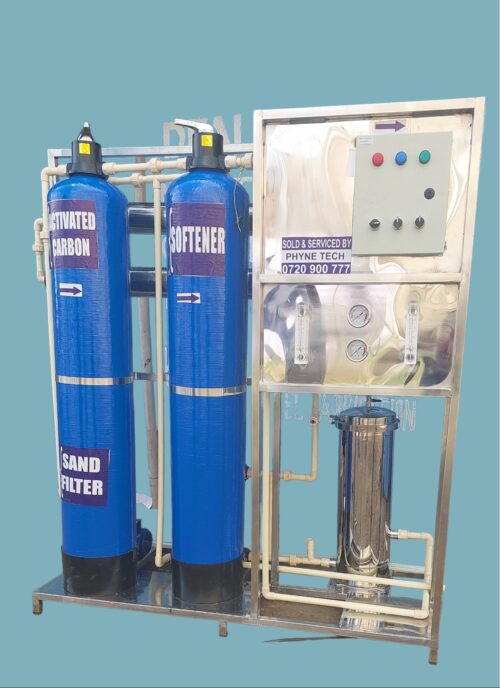
We provide countrywide delivery across Kenya via our reliable courier partners. For clients in the industrial sector, Phynetech offers specialized services for the professional extraction of spent carbon and the reloading of fresh media into large-scale filter vessels.
Invest in Your Business’s Future with Phynetech’s Water Treatment Solutions
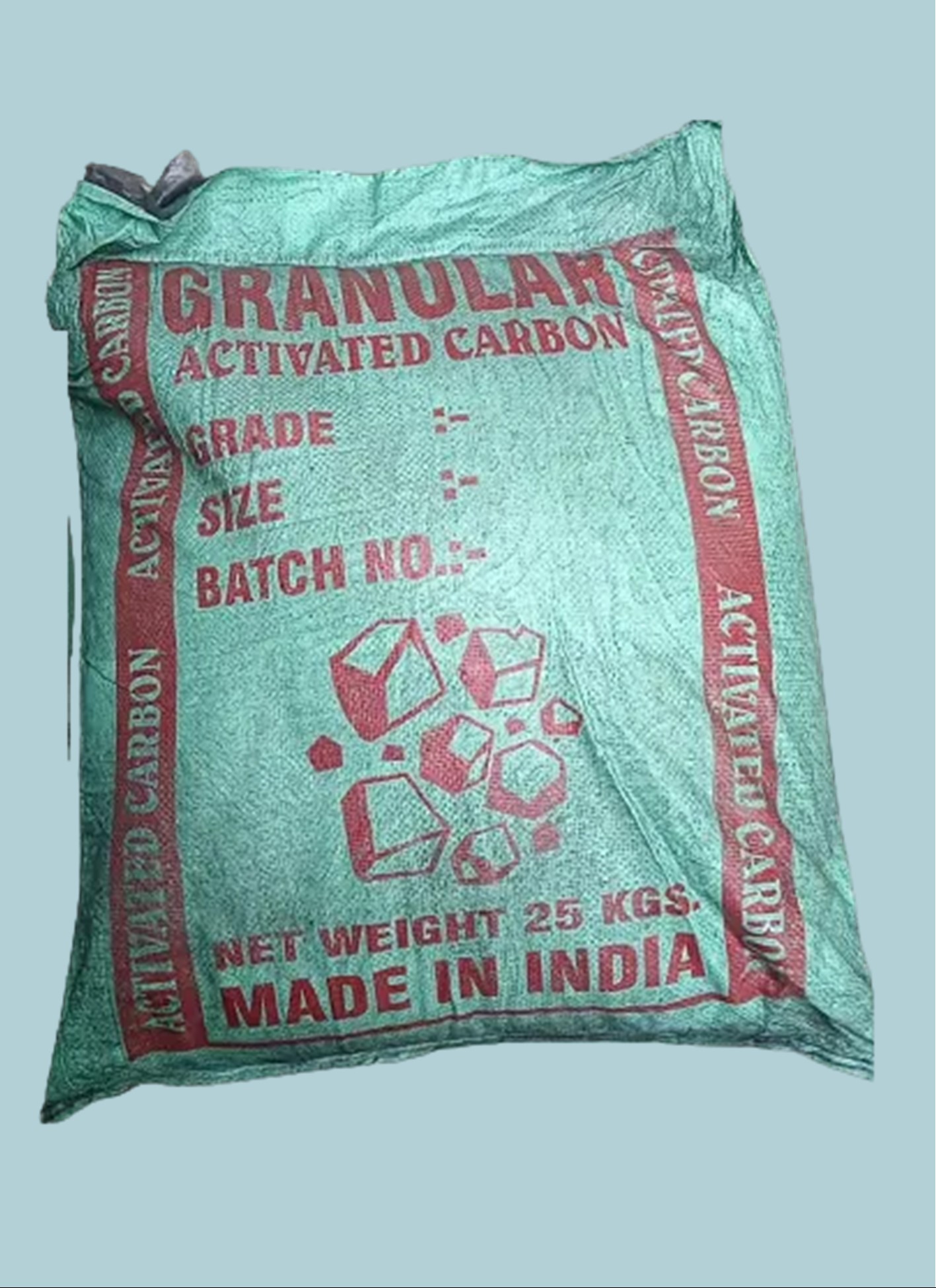
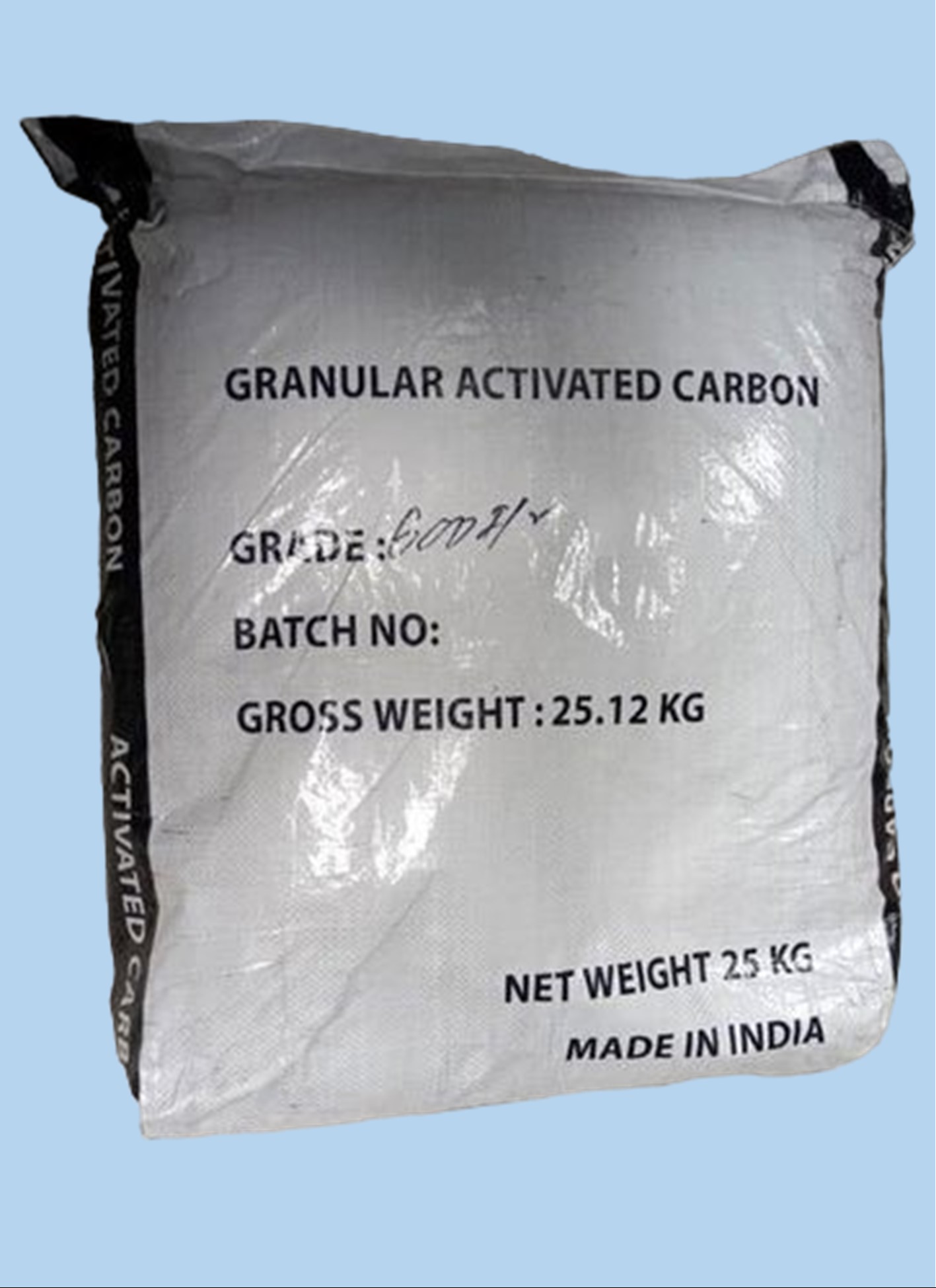
Are you in the market for high-quality Activated Carbon? At Phynetech, we are the leading suppliers of premium granular activated carbon in Kenya. All our products meet KEBS standards and come with a 1-year performance warranty. We offer countrywide delivery in 25kg and 50kg bags. If you are searching for Activated Carbon to improve your water quality, kindly get in touch with us today.
Contact us to place an order. See details below:
Activated Carbon: Frequently Asked Questions
- Q: How do I know when to replace my activated carbon? A: The clearest signs are the return of chlorine smells, a change in water taste, or a drop in the “rejection” performance of your RO system. Typically, media should be replaced every 12 to 24 months.
- Q: Can activated carbon remove fluoride or heavy metals? A: Standard activated carbon is excellent for organics and chlorine but has limited effectiveness against fluoride or lead. For these, specialized media like Activated Alumina or KDF are recommended.
- Q: Does the carbon need to be backwashed? A: Yes. Regular backwashing is necessary to remove trapped sediment and prevent the carbon bed from compacting, which ensures a consistent flow rate.
- Q: Is your activated carbon food-grade? A: Yes, our coconut shell activated carbon is safe for use in drinking water and food production as it is chemically inert and non-toxic.
- Q: What is the iodine value of Phynetech carbon? A: We supply high-performance carbon with iodine values ranging from 900 mg/g to 1100 mg/g, depending on your specific application needs.




Reviews
There are no reviews yet.