Description
Buy High Pressure Pumps for RO Systems and High Water Pressure Demands in Kenya From Phynetech
Product Overview
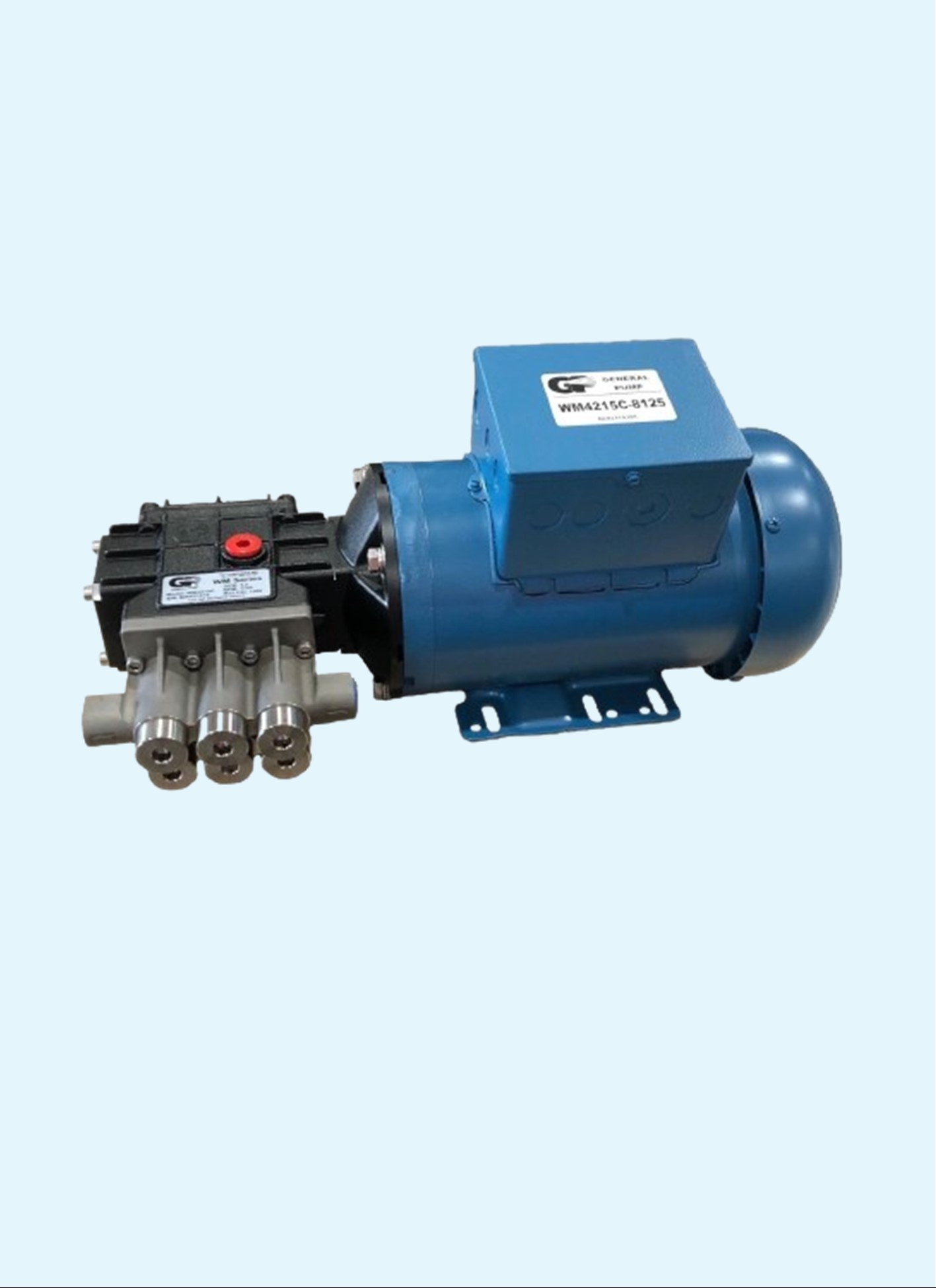 In the world of water treatment, pressure is the driving force behind purity. High pressure pumps are the essential “engine” of any Reverse Osmosis (RO) system. Their primary role is to overcome the natural osmotic pressure of feed water, forcing it through semi-permeable membranes to remove up to 99% of dissolved solids. At Phynetech, we supply professional-grade High Pressure Pumps—specifically vertical and horizontal multistage centrifugal models—designed to handle the rigorous demands of Kenyan commercial and industrial water plants.
Unlike standard delivery pumps, our high pressure pumps are engineered to deliver significant “head” (vertical lift and pressure) at stable flow rates. We specialize in stainless steel multistage pumps, which utilize a series of stacked impellers to build pressure incrementally. This design ensures that even the most stubborn borehole water in regions like the Rift Valley is pushed through the RO membranes with the exact force required to produce high-quality, KEBS-compliant drinking water.
High Pressure Pumps Applications in Kenya
Consistent, high-force water delivery is vital for several specialized sectors:
- Commercial RO Plants: The core component for water refilling stations in Nairobi and Kiambu, ensuring efficient permeate production.
- Industrial Desalination: Used in coastal regions like Mombasa to treat brackish water for manufacturing and hospitality use.
- Boiler Feed Systems: Delivering treated water into high-pressure boilers for textile and food processing plants in Thika.
- Pressure Boosting in Multi-Storey Buildings: Ensuring adequate water pressure reaches the top floors of high-rise apartments and office blocks.
- Firefighting Systems: Providing the high-velocity discharge required for industrial fire suppression and hydrant networks.
Also see Submersible Pumps for Boreholes
How to Choose the Right Model When Buying High Pressure Pumps
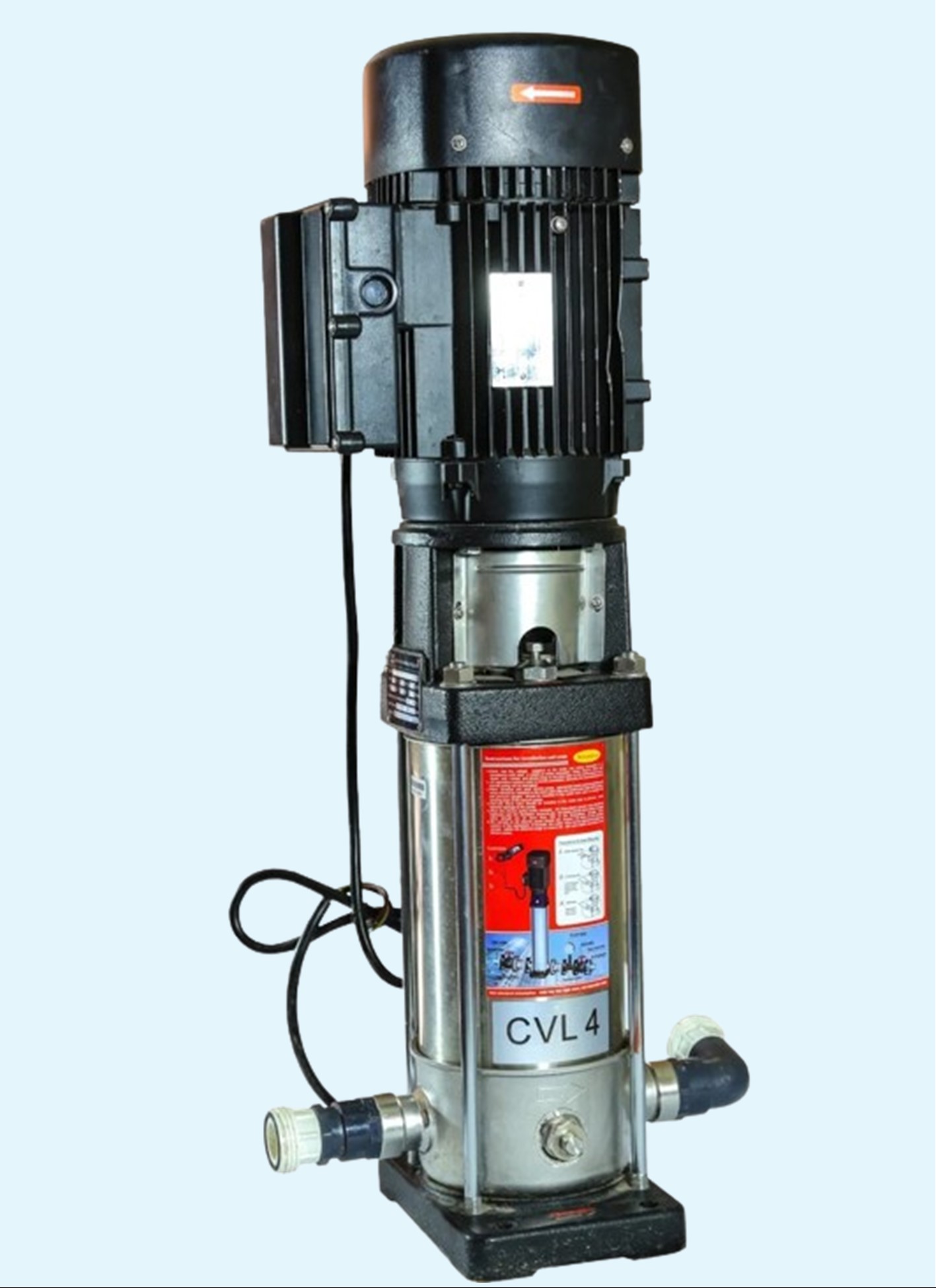 Selecting an incorrectly sized pump can lead to membrane fouling or wasted energy. Consider:
- Required Pressure (Bar/PSI): Most RO membranes require between 10 to 15 bar (150–220 PSI) for optimal salt rejection. Ensure your pump can maintain this at your target flow rate.
- Flow Rate (LPH/m³/h): Match the pump capacity to your RO system’s design (e.g., 1,000 LPH, 2,000 LPH, or 5,000 LPH).
- Material Grade: For drinking water and slightly aggressive liquids, we recommend AISI 304 or 316 stainless steel to prevent corrosion and maintain hygiene standards.
- Energy Efficiency: Choose pumps with high-efficiency motors (IE2/IE3) to lower the monthly electricity overhead of your water business.
Why Buy High Pressure Pumps From Phynetech?
Phynetech offers more than just hardware; we provide the engineering backbone for your water business.
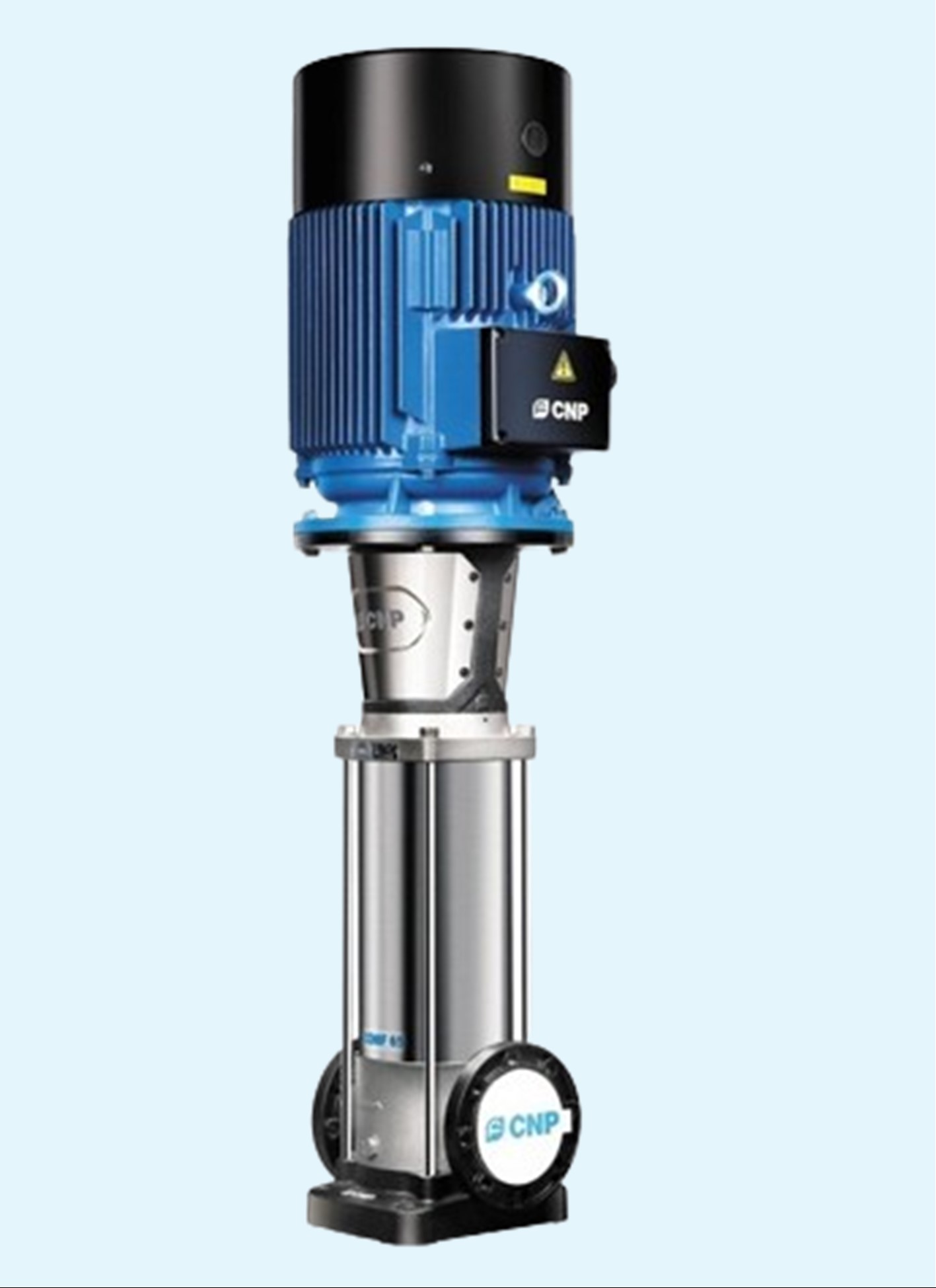
- Reliable Brands: We stock trusted names like CNP and other international brands known for their durability in the Kenyan climate.
- 1-Year Warranty: We stand by our products with a comprehensive performance guarantee and technical support.
- System Integration Advice: Our engineers help you calculate the exact “duty point” to ensure your pump works in harmony with your membranes and pre-filters.
- Local Spare Parts: Based in Ruiru, we maintain a stock of mechanical seals, impellers, and bearings to minimize your system downtime.
Also see Pedrollo Water Pumps
Invest in High Pressure Pumps for Industrial RO Systems From Phynetech
Are you looking for a reliable High Pressure Pump for your water treatment plant? At Phynetech, we are the leading suppliers of vertical multistage pumps in Kenya. Our equipment is designed for 24/7 industrial performance and meets the highest standards of energy efficiency. We offer countrywide delivery via our courier partners. If you need a pump that guarantees the performance of your RO system, get in touch with us today for a technical consultation.
We offer countrywide delivery across Kenya, ensuring that your equipment arrives safely in cities like Eldoret, Nakuru, or Kisumu. We also offer expert installation services and commissioning for large-scale industrial water plants.
Contact us to place an order. See details below:
High Pressure Pumps: Frequently Asked Questions
- Q1: What is the difference between a booster pump and a high pressure pump?
In small domestic RO systems, they are often used interchangeably. However, in industrial terms, a booster pump stabilizes line pressure, while a high pressure pump (like a multistage centrifugal) generates the significant force (10+ bar) needed to drive the RO process.
- Q2: Why is my pump noisy or vibrating excessively?
This is often caused by cavitation (air in the system) or worn bearings. Ensure your inlet water supply is adequate and that your pre-filtration (sediment filters) is clean to prevent the pump from “starving.”
- Q3: How often should I replace the mechanical seal?
Mechanical seals are wear parts. In typical 24/7 operations in Kenya, we recommend inspecting them every 6 to 12 months. Leaking water between the pump and motor is a clear sign that the seal needs replacement.
- Q4: Can these pumps handle salt water?
Standard stainless steel (AISI 304) is excellent for fresh and borehole water. For high-salinity seawater, we recommend upgrading to AISI 316 or Duplex stainless steel to prevent pitting and corrosion.
- Q5: Is a VFD (Variable Frequency Drive) necessary?
While not mandatory, a VFD allows you to control the pump’s speed. This saves energy, reduces mechanical stress during startup, and allows you to adjust pressure as your membranes age.


Reviews
There are no reviews yet.