Description
Buy Water Flow Sensors for RO Systems in Kenya From Phynetech
Product Overview
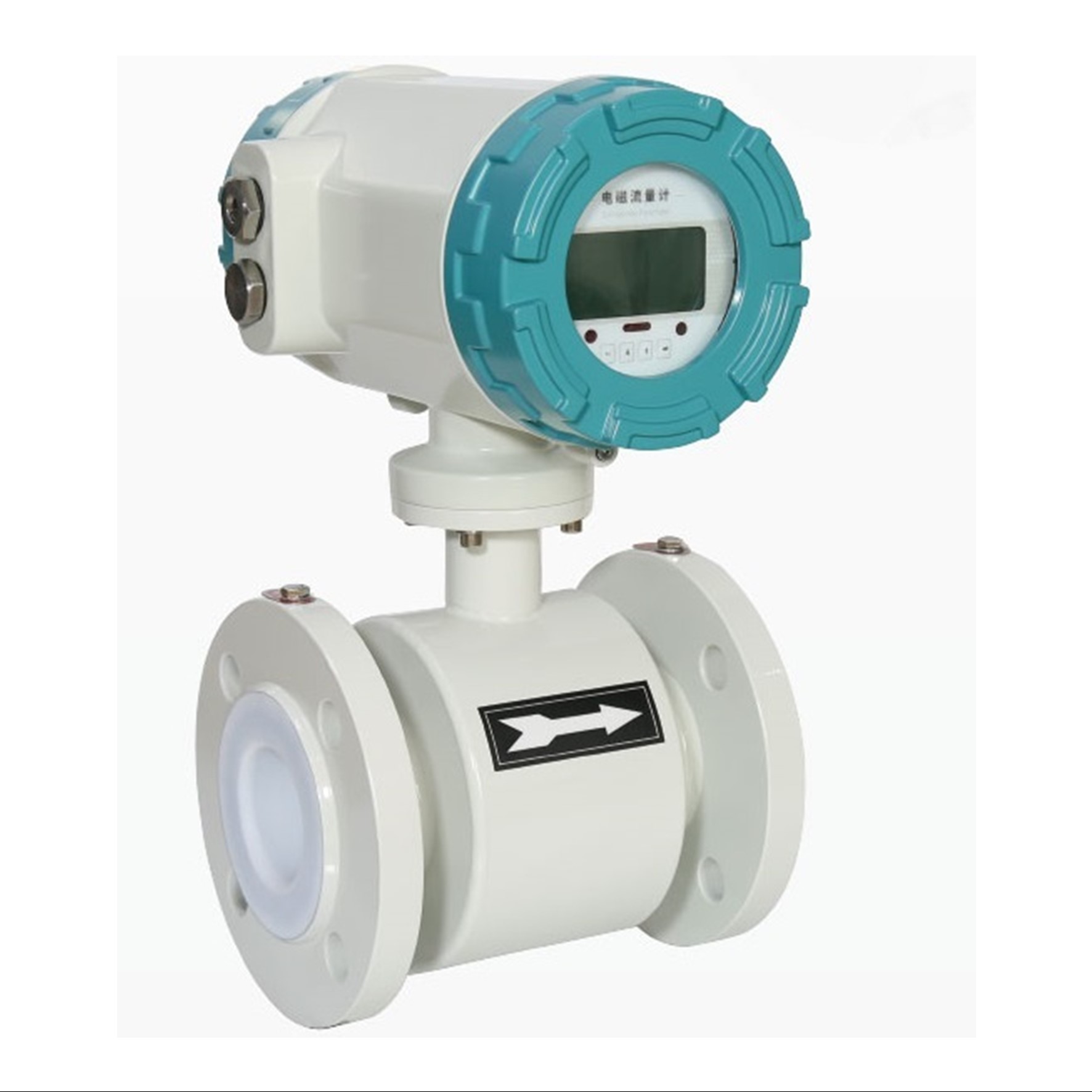
Flow sensors are critical automation components used to monitor the presence and velocity of fluid moving through a water treatment system. Unlike visual gauges, these sensors convert mechanical movement into electrical pulses, allowing for real-time digital monitoring and automated system control. At Phynetech, we provide high-precision Flow Sensors engineered to handle the continuous operation required in Kenyan commercial and industrial Reverse Osmosis (RO) plants.
Our sensors typically utilize a Hall Effect sensor coupled with an internal turbine or impeller. As water flows through the sensor, it spins the impeller, which generates a pulse signal proportional to the flow rate. These signals are vital for operators to monitor “permeate” (product) and “concentrate” (waste) water flow rates. By integrating these sensors, you can automate your system to shut down during flow irregularities, preventing costly membrane damage and ensuring consistent water quality.
Flow Sensors Applications in Kenya
Precision flow monitoring is essential for efficient operations across various sectors:
- Water Vending Businesses: Integrated into “Water ATMs” to provide pulse signals for accurate volume-based billing and M-Pesa integration.
- Hospitals & Labs: Used to ensure consistent flow rates through sensitive deionization and sterilization equipment.
- Learning Institutions: Helping school maintenance teams monitor daily water usage and detect pipe bursts early.
- Manufacturing & SMEs: Essential for automated bottling lines in Thika and Athi River where exact liquid filling is required.
- Hotels & Resorts: Monitoring flow from desalination units to track production efficiency and chemical dosing requirements.
How to Choose the Right Model When Buying Flow Sensors
Choosing the correct sensor prevents inaccurate data and system bottlenecks. Consider the following:
- Pipe Size Compatibility: Match the sensor’s inlet/outlet (e.g., 1/2″, 3/4″, 1″, or 2″) to your existing plumbing to maintain hydraulic balance.
- Flow Range (L/min): Ensure the sensor’s rated range (e.g., 1–30L/min or 10–200L/min) matches your pump’s actual output.
- Operating Voltage: Most sensors operate on 5V to 24V DC. Ensure compatibility with your digital display or PLC control panel.
- Material Durability: For standard water shops, food-grade plastic sensors are ideal; for heavy industrial use, stainless steel or brass bodies offer superior longevity.
Why Buy Flow Sensors From Phynetech?
Phynetech is more than a supplier; we are your technical partner in water system automation.
- Quality Guarantee: Every flow sensor is tested for pulse accuracy and comes with a 1-year performance warranty.
- Expert Consultation: Our technical team provides wiring diagrams and “K-factor” calibration data for seamless integration.
- Spare Parts Availability: We stock replacement impellers and compatible digital controllers to keep your monitoring online.
- Local Experience: We understand the unique mineral challenges in Kenya and provide sensors designed to resist scaling and sediment interference.
Invest in Flow Sensors for Commercial RO Systems From Phynetech
Are you in the market for a high-quality Flow Sensor? At Phynetech, we are the leading suppliers of flow monitoring components in Kenya. All our products meet international quality standards and come with a 1-year warranty. We offer countrywide delivery via our courier partners. If you are searching for a reliable way to automate your water system and monitor production in real-time, kindly get in touch with us today.
Delivery & Installation
We provide countrywide delivery across Kenya via our trusted courier partners. Whether you are in Kisumu, Eldoret, or Garissa, we ensure your sensors are delivered safely. We also offer expert guidance on electrical calibration and physical installation.
Contact us to place an order. See details below:
Flow Sensors: Frequently Asked Questions
- Q1: What is the difference between a flow sensor and a flow meter?
A flow sensor provides an electrical pulse signal used for automation and digital displays. A flow meter is often a standalone device (like a rotameter) that provides a visual reading. Sensors are preferred for systems requiring “smart” control and remote monitoring.
- Q2: Can I use a flow sensor to trigger an M-Pesa payment system?
Yes. Our flow sensors provide the pulse signals required by “Water ATM” control boards to calculate the volume dispensed and deduct the corresponding amount from a customer’s balance.
- Q3: How do I know if my flow sensor is clogged?
If your pump is running but the digital display shows “0” flow or an erratic reading, the internal impeller may be stuck with silt or scale. Regular cleaning and pre-filtration (sediment filters) can prevent this.
- Q4: Are these sensors compatible with Arduino or PLCs?
Yes, our sensors are highly versatile and work perfectly with Arduino, ESP32, and standard industrial PLCs, provided the operating voltage is correctly matched.
- Q5: Does the orientation of the sensor matter?
Yes. To ensure accuracy, flow sensors should be installed in a straight section of pipe with enough space before and after the sensor to prevent turbulence from affecting the impeller’s spin.





Reviews
There are no reviews yet.