Description
Buy Solenoid Valves for Water Treatment and RO Systems in Kenya From Phynetech
Product Overview
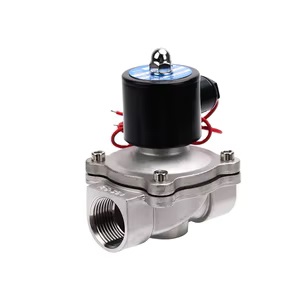
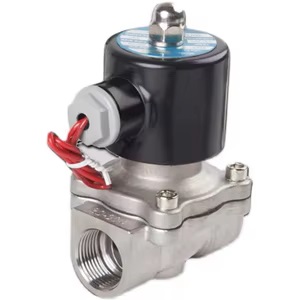
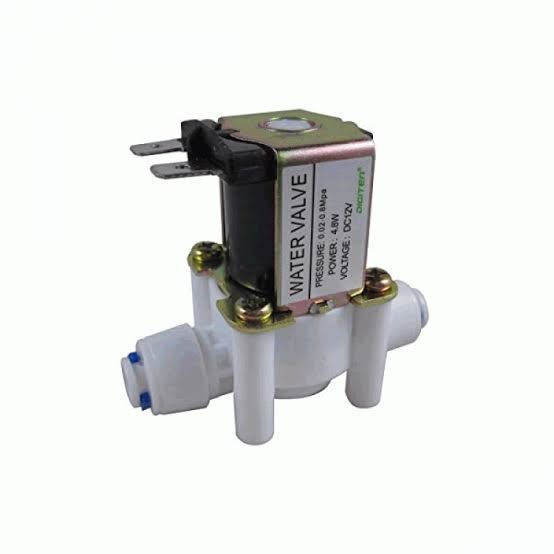
 Solenoid valves are the “gatekeepers” of modern water automation. These electromechanical devices use an electromagnetic coil to control the flow of water, allowing for instantaneous opening or closing via an electrical signal. At Phynetech, we provide industrial-grade Solenoid Valves engineered specifically for the demanding cycles of commercial Reverse Osmosis (RO) plants and automated water vending machines in Kenya.
Our valves are available in two primary configurations: Normally Closed (NC), which stays shut until power is applied, and Normally Open (NO), which remains open until energized. For RO systems, we primarily supply NC valves as “feed valves” to ensure that water flow stops immediately when the system is powered down or in the event of a power failure. This prevents the unnecessary wastage of water and protects your sensitive membranes from unregulated pressure.
Solenoid Valve Applications in Kenya
Precision flow control is essential for the reliability of water systems across the country:
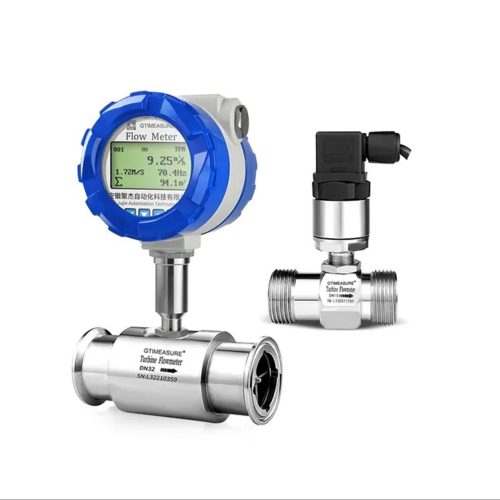
- Water Vending “ATMs“: Working in tandem with flow sensors to precisely stop water dispensing once a customer’s paid volume is reached.
- Commercial RO Systems: Acting as an inlet feed valve to prevent “autoflow” when the high-pressure pump is off.
- Automatic Sand & Carbon Filters: Controlling the backwash and rinse cycles to ensure media is cleaned without manual intervention.
- Irrigation & Fertigation: Used in greenhouses across Naivasha and Kiambu to automate water and nutrient delivery schedules.
- Industrial Cooling Towers: Automatically topping up water levels based on sensor signals to prevent equipment overheating.
How to Choose the Right Model When Buying Solenoid Valves
 Selecting the wrong valve can lead to burnt coils or internal leaks. Consider the following:
- Voltage (AC/DC): Match the valve to your control system (standard Kenyan options include 220V AC, 24V DC, and 12V DC).
- Port Size: Match your pipe diameter (1/4″, 1/2″, 3/4″, 1″, or 2″) to ensure you don’t restrict the flow rate.
- Body Material: Use Brass for standard clean water applications or Stainless Steel for more aggressive liquids or high-purity laboratory water.
- Pressure Range: Ensure the valve can handle both the minimum and maximum pressure of your system (especially important for pilot-operated valves which require a pressure differential to function).
Why Buy Solenoid Valves From Phynetech?
Phynetech is more than a parts supplier; we provide the automation expertise to keep your system running.
- Quality Guarantee: We stock genuine valves from trusted manufacturers, each backed by a 1-year performance warranty.
- Burn-Resistant Coils: Our valves feature high-quality copper windings designed to handle the voltage fluctuations common in the Kenyan grid.
- Technical Support: We provide wiring diagrams and advice on installing “surge protectors” to extend the life of your solenoid coils.
- Local Inventory: Based in Ruiru, we maintain a ready stock of common sizes to eliminate the downtime caused by waiting for imports.
Invest in Solenoid Valves for Your Water Business From Phynetech
 Are you looking for a reliable Solenoid Valve to automate your RO system or Water ATM? At Phynetech, we are the leading suppliers of high-performance automation components in Kenya. Our valves are built for precision, durability, and maximum uptime. We offer countrywide delivery via our courier partners. If you want a valve that offers “set-and-forget” reliability, get in touch with us today.
Delivery & Installation
We provide countrywide delivery across Kenya, ensuring your components arrive safely in Nairobi, Mombasa, Kisumu, and beyond. For large-scale industrial projects, we also provide expert guidance on integrating these valves into your existing control panels.
Contact us to place an order. See details below:
Solenoid Valves: Frequently Asked Questions
- Q1: Why did my solenoid coil burn out?
The most common causes are using the wrong voltage, moisture entering the coil housing, or leaving the valve energized for too long if it isn’t rated for “continuous duty.” We recommend checking your power supply and ensuring the valve is installed in a dry location.
- Q2: Can I use a solenoid valve for gravity-fed systems?
Standard “pilot-operated” valves require a minimum pressure (usually 0.5 bar) to open. For gravity-fed tanks with low pressure, you must use a “direct-acting” solenoid valve or a motorized ball valve.
- Q3: My valve is humming/buzzing—is this normal?
A slight hum is common with AC-powered valves. However, loud buzzing usually indicates dirt or debris is trapped in the plunger, preventing the magnetic circuit from closing properly. Cleaning the internals usually fixes this.
- Q4: Are these valves safe for drinking water?
Yes, our brass and stainless steel valves are lead-free and safe for potable water. For specialized food-grade applications, we also stock valves with EPDM or Viton seals.
- Q5: What happens if the power goes out?
For a Normally Closed valve (the most common type), the valve will automatically spring shut, stopping all water flow. This is a built-in safety feature to prevent flooding or waste during a blackout.



Reviews
There are no reviews yet.