Description
Dosing Pumps | Buy The Best Chemical Dosing Pumps in Kenya From Phynetech
Product Overview
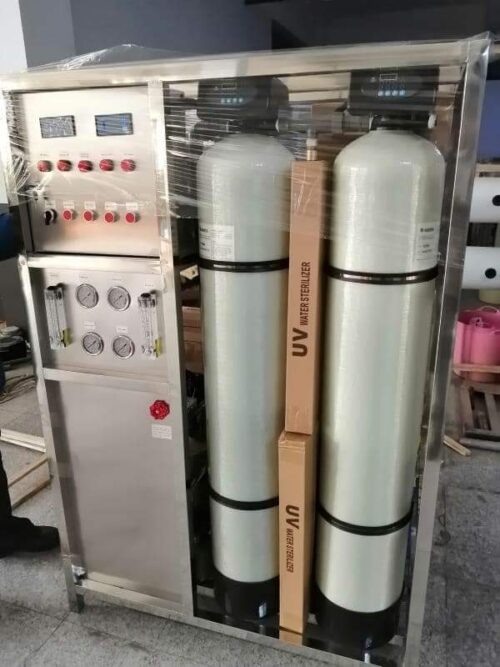
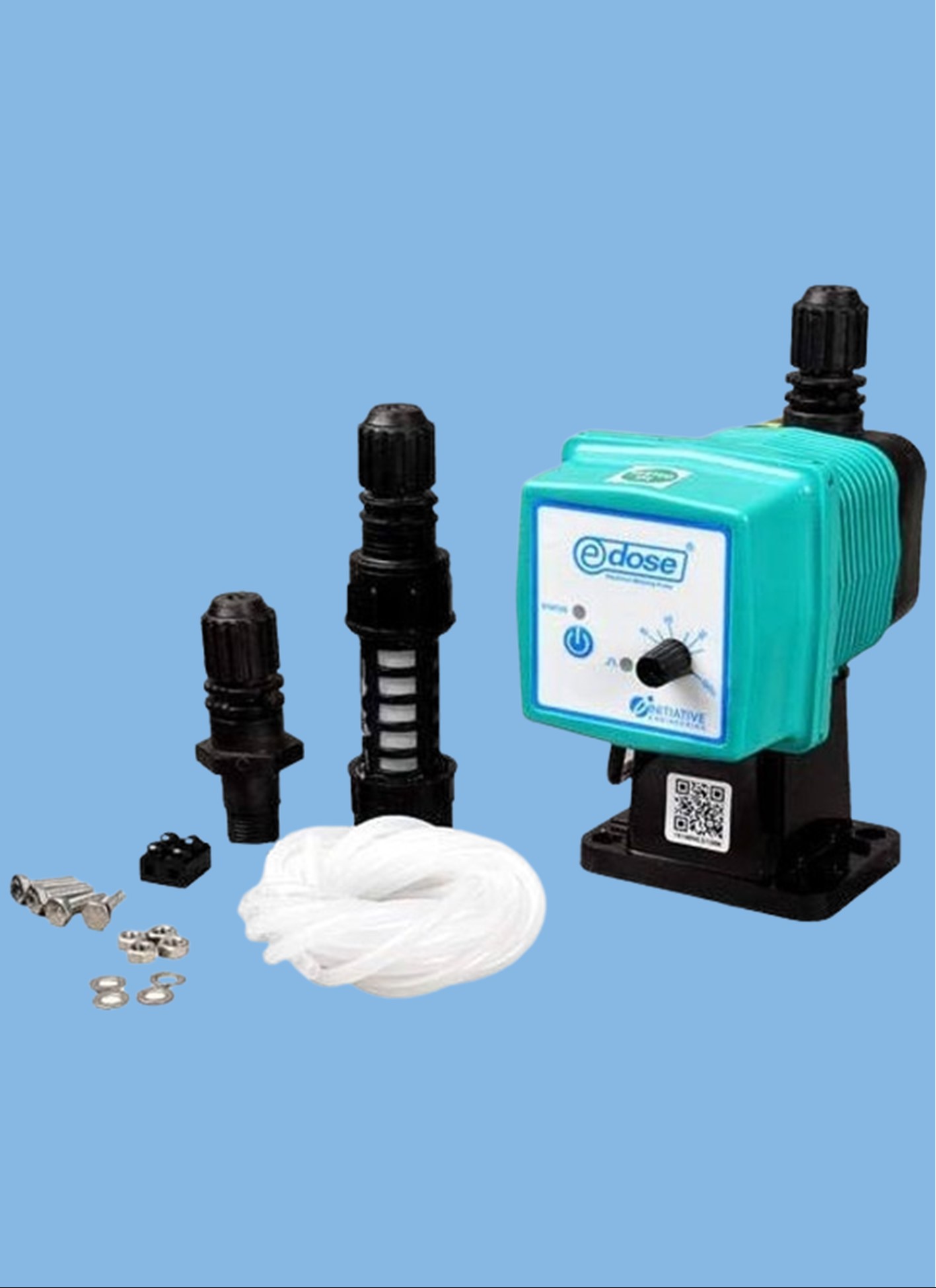 Dosing pumps are specialized, small-volume positive displacement pumps designed to inject a precise amount of chemical into a water or gas stream. In water treatment, precision is the difference between a protected system and a failed one. At Phynetech, we provide industrial-grade Dosing Pumps engineered to deliver exact chemical ratios—such as chlorine for disinfection or antiscalants to prevent RO membrane scaling—ensuring your water treatment plant operates at peak efficiency.
Our pumps, featuring trusted brands like Seko and Dayliff, utilize solenoid-driven diaphragm technology. This allows for fine-tuned control over the “stroke” (the amount of liquid pushed) and the “frequency” (how often it pushes). Built with high-resistance materials like PVDF pump heads and PTFE diaphragms, our dosing pumps are designed to handle aggressive chemicals without corroding, making them the perfect choice for the rigorous duty cycles of Kenyan water vending and industrial sites.
Dosing Pump Applications in Kenya
Accurate chemical injection is vital for the safety and longevity of various systems:
- Commercial RO Plants: Injecting antiscalant to prevent calcium and silica from ruining expensive membranes.
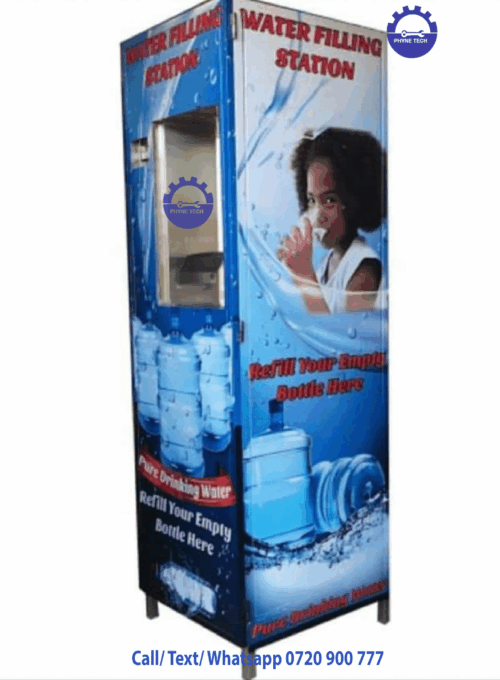
- Water Vending “ATMs“: Ensuring precise chlorine dosing for biological safety before the water reaches the customer.
- Hospitals & Labs: Maintaining exact chemical balances for sterilization units and cooling tower water treatment.
- Agriculture & Fertigation: Delivering precise amounts of nutrients or fertilizers into irrigation lines in greenhouses across Naivasha and Kiambu.
- Manufacturing & Food Processing: Used in Thika and Athi River for automated pH adjustment and industrial wastewater treatment.
How to Choose the Right Model When Buying Dosing Pumps
Selecting the correct pump ensures you don’t under-dose (risking damage) or over-dose (wasting money). Consider:
- Flow Rate (L/h): Most RO pre-treatment requires between 1L/h and 5L/h. Ensure the pump can deliver your required volume against the system’s pressure.
- Back Pressure (Bar): The pump must be stronger than the pipe pressure it is injecting into. Our standard pumps handle up to 8–10 bar.
- Chemical Compatibility: For highly acidic or alkaline chemicals, ensure the pump head (PVDF) and seals (Viton/EPDM) are compatible.
- Control Method: Manual control allows for fixed-rate dosing, while “proportional” pumps can be connected to a water meter to adjust dosing based on water flow.
Why Buy Dosing Pumps From Phynetech?
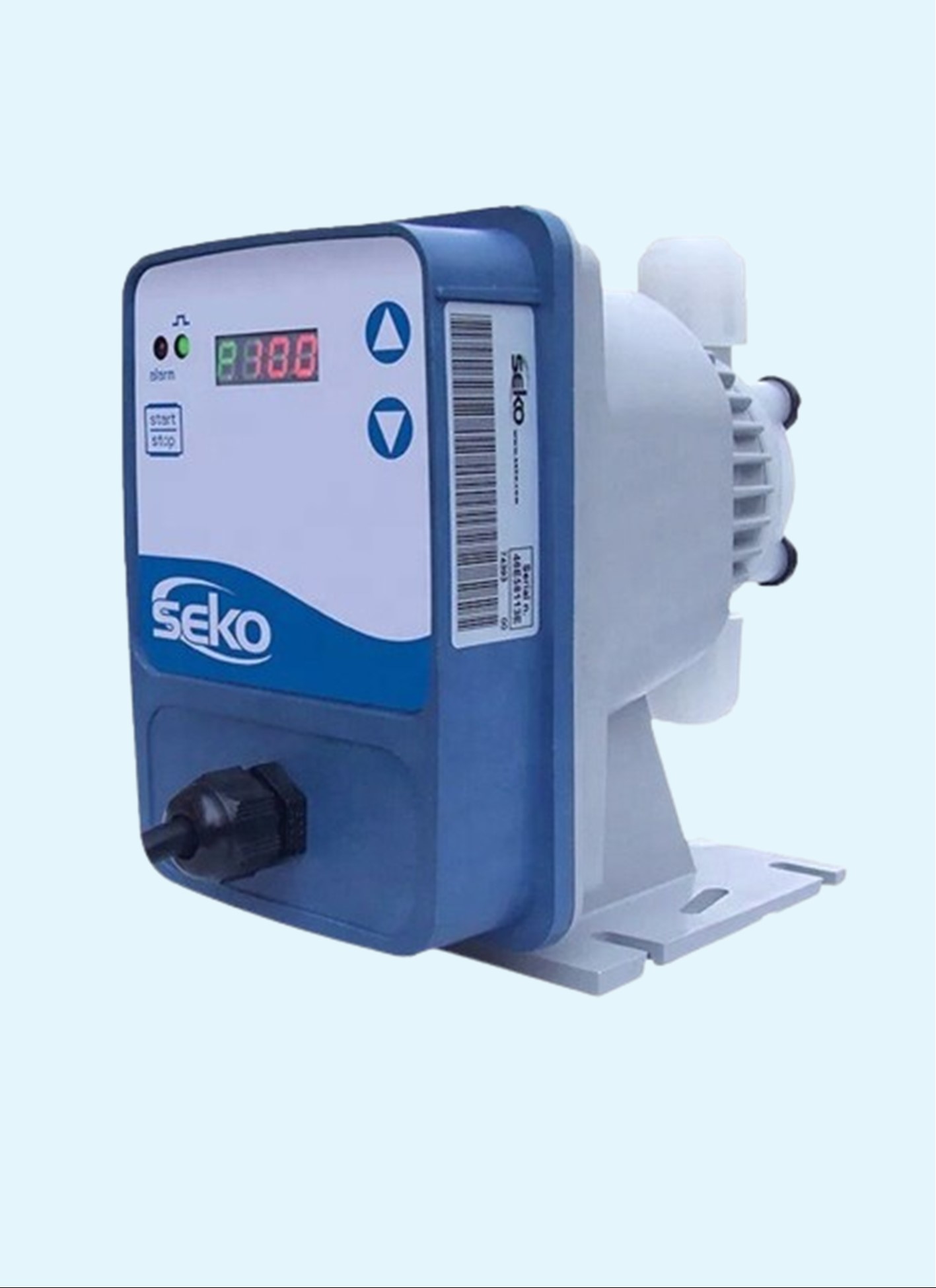 Phynetech is your technical partner in water automation and chemical management.
- High Precision: Achieve exact chemical ratios to avoid membrane scaling or chlorine spikes.
- Burn-Resistant Coils: High-quality electromagnetic solenoids designed to handle Kenyan power fluctuations.
- Technical Setup: We help you calculate the exact “ml/h” dosing rate based on your specific water analysis.
- Local Inventory: We stock replacement diaphragms, foot valves, and injection valves in Ruiru to minimize your downtime.
Invest in Precise Dosing Pumps for Your Water Plant From Phynetech
Are you looking for a reliable way to automate your chemical treatment? At Phynetech, we are the leading suppliers of high-precision dosing pumps in Kenya. Our equipment is built for durability and precision, meeting the highest industrial standards. We offer countrywide delivery via our courier partners. If you want a dosing solution that protects your RO investment, get in touch with us today.
We provide countrywide delivery across Kenya. Whether you are in Kisumu, Eldoret, or Mombasa, we ensure your dosing pump arrives safely. We also offer installation guidance to ensure your suction and discharge lines are primed and calibrated correctly.
Contact us to place an order. See details below:
Dosing Pumps: Frequently Asked Questions
- Q1: Why is my dosing pump not pumping even though it is clicking?
This is usually caused by an “air lock” in the suction line or a blocked foot valve. Priming the pump and ensuring the tubing is air-tight usually resolves the issue.
- Q2: Can I use one pump for both chlorine and antiscalant?
No. Different chemicals should never be mixed in the same pump. Each chemical requires its own dedicated dosing pump and injection point to prevent dangerous reactions or system failure.
- Q3: How often should I replace the diaphragm?
Diaphragms are wear parts. Depending on the chemical used, we recommend inspecting them every 6–12 months. Signs of wear include leaking from the pump head or a drop in dosing accuracy.
- Q4: What is the benefit of a “Dry Run” protection feature?
It prevents the pump from working when the chemical tank is empty, saving the motor from overheating and ensuring your system is never left unprotected by chemicals.
- Q5: Is it safe to install the pump outdoors?
Our pumps are IP65 rated (dust and splash-proof), but we recommend installing them under a shelter or inside a cabinet to protect the electronics from direct sunlight and heavy Kenyan rainfall.



Reviews
There are no reviews yet.