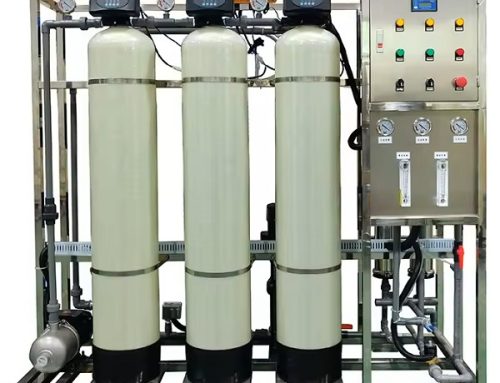
Guide: How to Choose Between a Reverse Osmosis System and a Ultra Violet Water Purifier for Your Water Purification Needs
Introduction: Clean Water Is No Longer Optional in Kenya
In Kenya today, clean drinking water is no longer a luxury, it’s a necessity for survival, health, and peace of mind. Whether you live in Nairobi, Nakuru, Mombasa, Eldoret, or rely on borehole water in peri-urban areas, you know too well that the water flowing from taps and vendors can be unpredictable. Some days it looks clean but carries microorganisms; other times it’s salty, metallic, or filled with sediments.
At Phynetech, we’ve helped thousands of households, schools, offices, and water entrepreneurs understand how to choose between a reverse osmosis system and a ultra violet water purifier for your water purification needs. This guide will walk you through everything you need to know in a clear, practical manner.
Whether you’re buying a machine for your home or assessing how to choose the right water purifying machine for your water refilling business in Kenya, this comprehensive guide will help you make a confident, informed decision.
How to Choose Between a Reverse Osmosis System and a Ultra Violet Water Purifier for Your Water Purification Needs: Understanding Reverse Osmosis vs. Ultra Violet (UV) Water Purifiers
Before choosing, it’s essential to understand what each filtration technology does, its strengths, and the type of water it is designed for.
What Is a Reverse Osmosis (RO) Water Purifier?
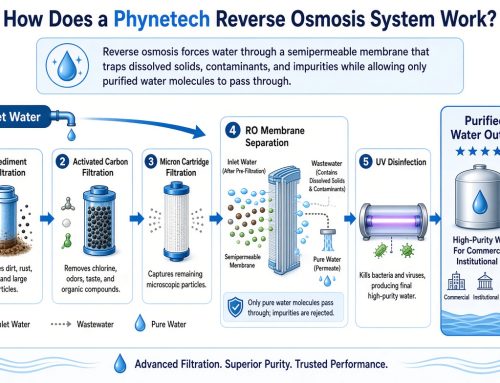
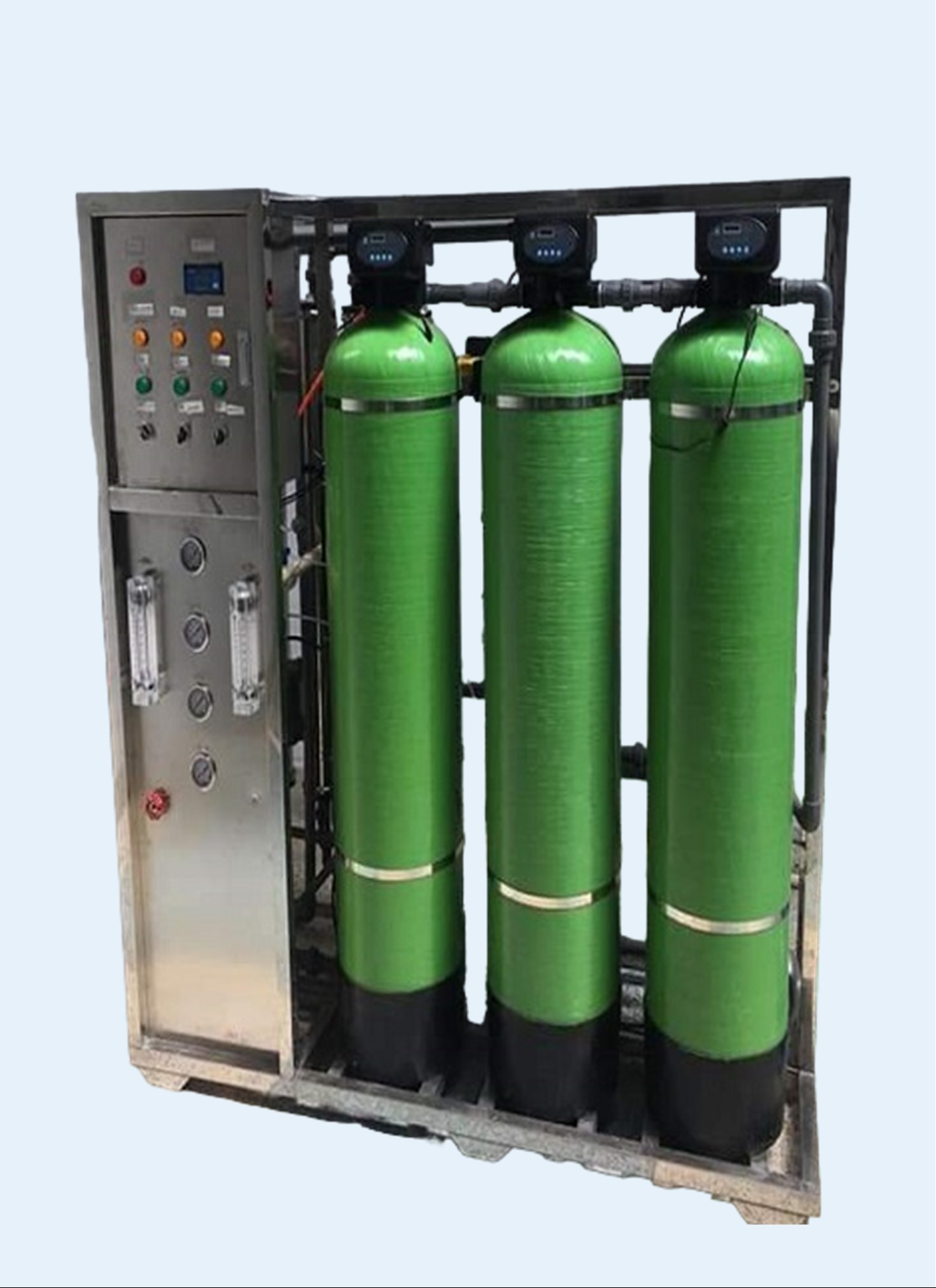 Reverse Osmosis (RO) is one of the most advanced and efficient water purification technologies in the world. It uses a semi-permeable membrane to force water through microscopic pores that block unwanted contaminants.
RO effectively removes:
- Dissolved salts (common in borehole and coastal water)
- Heavy metals such as iron, manganese, lead, and mercury
- Fluoride (excess fluoride is a real problem in many Kenyan counties)
- Chemical pollutants like pesticides, herbicides, and industrial waste
- Bad taste, bad odor, and water coloration
Where RO is best used:
RO is ideal when your water has:
- High salinity
- High Total Dissolved Solids (TDS)
- Metallic or chemical taste
- Staining on sinks and kettles
- Suspended particles
This makes RO the preferred choice for:
- Borehole water
- Water refilling shops
- Homes near the coast
- Estates with old metallic pipes
At Phynetech, we supply the best RO systems in Kenya designed to handle tough local water conditions.
What Is a Ultraviolet (UV) Water Purifier?

Ultrafiltration water treatment machine
A UV water purifier uses ultraviolet light at a specific wavelength (254nm) to disinfect water. It does not remove particles or chemicals — its purpose is purely biological purification.
UV effectively eliminates:
- Bacteria
- Viruses
- Parasites
- Waterborne pathogens like cholera, typhoid, and E. coli
Where UV is best used:
UV is ideal if your water:
- Looks clear
- Has low TDS
- Comes from municipal/tap water
- Comes from trusted vendors
UV is recommended for:
- Apartments connected to county water
- Offices
- Restaurants using treated tap water
Important: UV does not improve taste or remove salts; it only kills germs.
5 Things to Consider When Choosing Between a Reverse Osmosis System and a Ultra Violet Water Purifier

water purifier machine
Choosing a purifier is not guesswork. At Phynetech, we guide customers daily on how to choose between a reverse osmosis system and a ultra violet water purifier for your water purification needs. These are the five most important factors:
- Water Source: Where Does Your Water Come From?
Your water source is the biggest determinant.
Choose RO if your source is:
- Borehole
- Wells
- Salty water
- Water with high fluoride
- Water with sediments
Choose UV if your source is:
- Municipal taps (Nairobi Water, Eldoret Water, etc.)
- Clear vendor-supplied water
- Treated estate water
If your water source changes (tap today, borehole tomorrow), use a RO + UV hybrid system.
- Water Quality: What Contaminants Are You Dealing With?
You must know whether your water contains:
- Biological contaminants (UV handles these)
- Chemical or physical contaminants (RO handles these)
Borehole water often contains metals, salts, and chemicals — UV cannot help here.
Tap water often has bacteria — RO alone is not enough unless combined with UV.
If you want all-round protection, choose RO + UV.
- Your Budget & Long-Term Cost
RO systems cost more because they offer deeper purification. UV systems are cheaper because their function is specific.
Typical cost differences in Kenya:
- UV purifier: lower purchase cost, very low maintenance
- RO purifier: higher purchase cost, moderate maintenance
For businesses assessing how to choose the right water purifying machine for your water refilling business in Kenya, RO is mandatory because customers demand pure, great-tasting water.
- Maintenance Requirements
RO systems require periodic filter changes (6–12 months depending on usage).
UV systems require occasional bulb replacement (usually yearly).
Both systems need electricity, so your power availability also matters.
- Your Health and Safety Priorities
If your number one concern is preventing disease, UV may be enough.
If your primary concern includes taste, salts, chemicals, and long-term health, RO is superior.
For families with babies, elderly members, or health conditions, we strongly recommend RO + UV.
When Should You Choose a Reverse Osmosis + Ultra Violet Combo Purifier?

Sometimes, neither RO nor UV alone is enough — especially in Kenya’s mixed water environments. A combined RO + UV purifier is the safest and most complete solution when:
- You are unsure about your water source
- Your supply changes during dry or rainy seasons
- You travel often and want consistent safety
- You want the highest level of purification
A RO + UV system:
- Removes salts, metals, and chemicals
- Improves taste and odor
- Kills bacteria and viruses
- Gives complete protection
This is why most Phynetech customers — especially commercial water refilling shops — prefer RO + UV systems for guaranteed purity.
How to Choose the Best Water Purifier in Kenya
At Phynetech, we encourage customers to evaluate purifiers based on:
- Know Your Water Source
Get a water quality test or consult us for an assessment.
- Consider Your Budget Wisely
RO gives better protection — especially for borehole water.
- Think About Maintenance
Factor in filter costs and electricity use.
- Choose a Trusted Supplier
A purifier is useless without:
- Genuine filters
- Professional installation
- Reliable after-sales support
This is where Phynetech stands out.
5 Reasons to Buy Phynetech Water Purification Machines

Borehole water purifier Machine
As Phynetech, we proudly help customers understand how to choose between a reverse osmosis system and a ultra violet water purifier for your water purification needs, but beyond advice — we provide industry-leading systems.
Here’s why thousands trust us:
- We Supply Kenya-Ready Water Purification Systems
Our RO, UV, and RO+UV systems are redesigned specifically for:
- Borehole conditions
- High fluoride levels
- Salty coastal water
- Kenyan electrical standards
We don’t sell generic machines — we sell Kenya-engineered solutions.
- Phynetech Uses High-Quality, Long-Lasting Components
Our systems use:
- Genuine membranes
- Stainless steel housings
- Food-grade tubing
- Medical-grade UV lamps
This ensures long life and low maintenance costs.
- Expert Guidance and Water Testing Support
We help customers test their water and identify the right system, eliminating guesswork. This is particularly useful for investors asking how to choose the right water purifying machine for your water refilling business in Kenya.
- Professional Installation and After-Sales Support
We install, service, and maintain your system.
We provide:
- Spare parts
- Filters
- Membranes
- UV bulbs
- Technical support
With Phynetech, you’re never stuck.
- Wide Range of Purification Systems for Homes and Businesses
Whatever your need:
- Home RO & UV purifiers
- Water refill shop systems
- Commercial RO plants
- Industrial purification solutions
Phynetech offers the best water purification systems in Kenya under one trusted brand.
How to Choose Between a Reverse Osmosis System and a Ultra Violet Water Purifier for Your Water Purification Needs: Summary
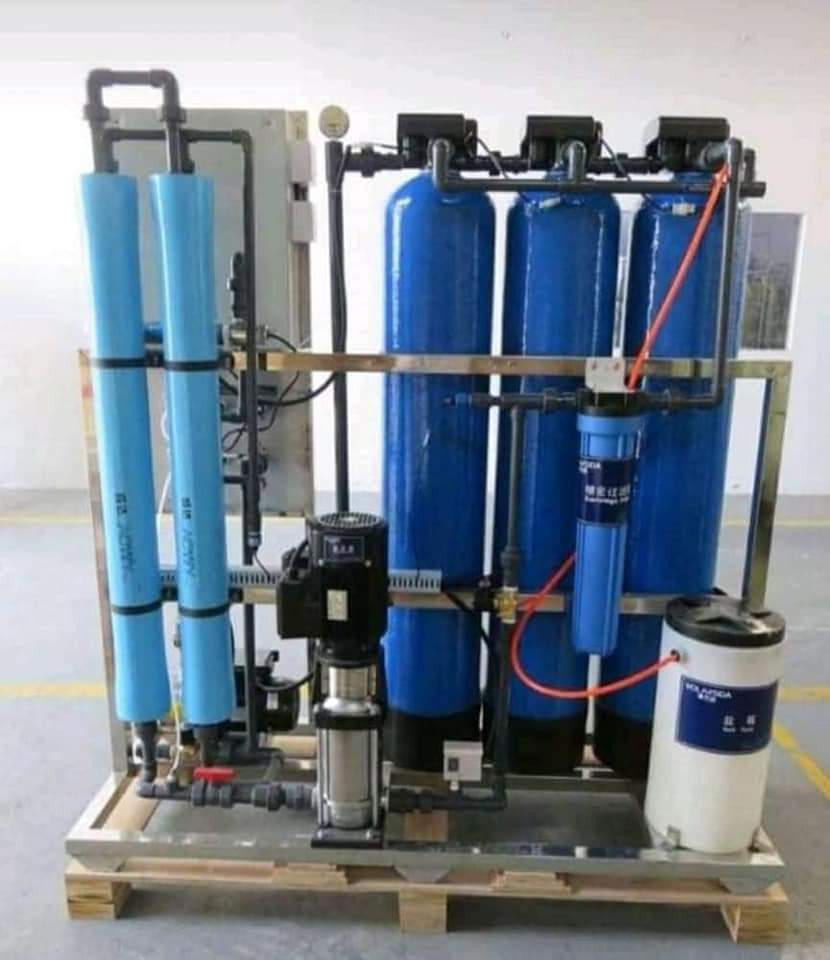 Clean drinking water is essential for every Kenyan household and business. Choosing the right water purifier depends on your water source, water quality, health goals, and long-term cost considerations. Reverse Osmosis systems remove dissolved salts, heavy metals, chemicals, and bad tastes; UV systems disinfect water by killing harmful microorganisms. For the highest level of safety and versatility, RO + UV systems offer comprehensive purification for both biological and chemical contaminants.
At Phynetech, we are here to help you know how to choose between a reverse osmosis system and a ultra violet water purifier for your water purification needs. Our Kenya-ready water purification machines deliver reliability, safety, and long-term value for homes, offices, institutions, and water refilling businesses. Whether you need a simple UV unit or a full RO plant, Phynetech is your trusted partner for safe, clean, purified water.
Invest in a high quality water purification system today
Ready to invest in the right water purification system for your needs? We are here to help you make an informed decision with ease. Contact our team today for expert guidance, water testing, or to request a quote.
Use any of the means below to contact us:
- Visit Us Today at Ruiru Exit 11 Immediately After Eastern Bypass, Before Shell Petrol Station Kihunguro on Thika Road
- Phone: +254 720 900 777 | 0717 777 112
- Email: phynetech@gmail.com
Phynetech — Your Trusted Partner for Safe, Clean Water in Kenya.
Frequently Asked Questions (FAQ):
How to Choose Between a Reverse Osmosis System and a Ultra Violet Water Purifier for Your Water Purification Needs:
- How do I choose between a reverse osmosis system and a ultra violet water purifier for my water purification needs?
Choose RO if your water has salts, metals, or chemicals. Choose UV if your water is clear but may contain bacteria. For mixed or uncertain water sources, choose RO + UV.
- Which is better for borehole water in Kenya: RO or UV?
RO is far better for borehole water because it removes salts, fluoride, and metals — UV cannot remove these.
- Do I need RO for my water refilling business?
Yes. RO is mandatory for water refilling shops because customers expect pure, great-tasting, chemically safe water. UV alone cannot deliver refill-shop quality water.
- Does UV purification change the taste of water?
No. UV only kills microorganisms; it does not affect taste, smell, or color. If you want taste improvement, choose RO.
- How often should I change RO filters?
Every 6–12 months depending on water quality and usage. Phynetech offers full maintenance support.

Discussion
Testimonials
"Talk of quality products Phynetech limited got u covered.Thanks for always being the best and not forgetting the customer service"
Becky Gichimu
Related Post
For more related Blog posts from Phynetech Limited Kenya