Reverse Osmosis vs Ultrafiltration: What’s the Difference?
TL;DR Short Answer:
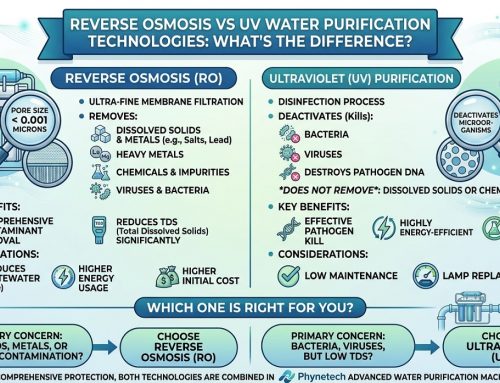
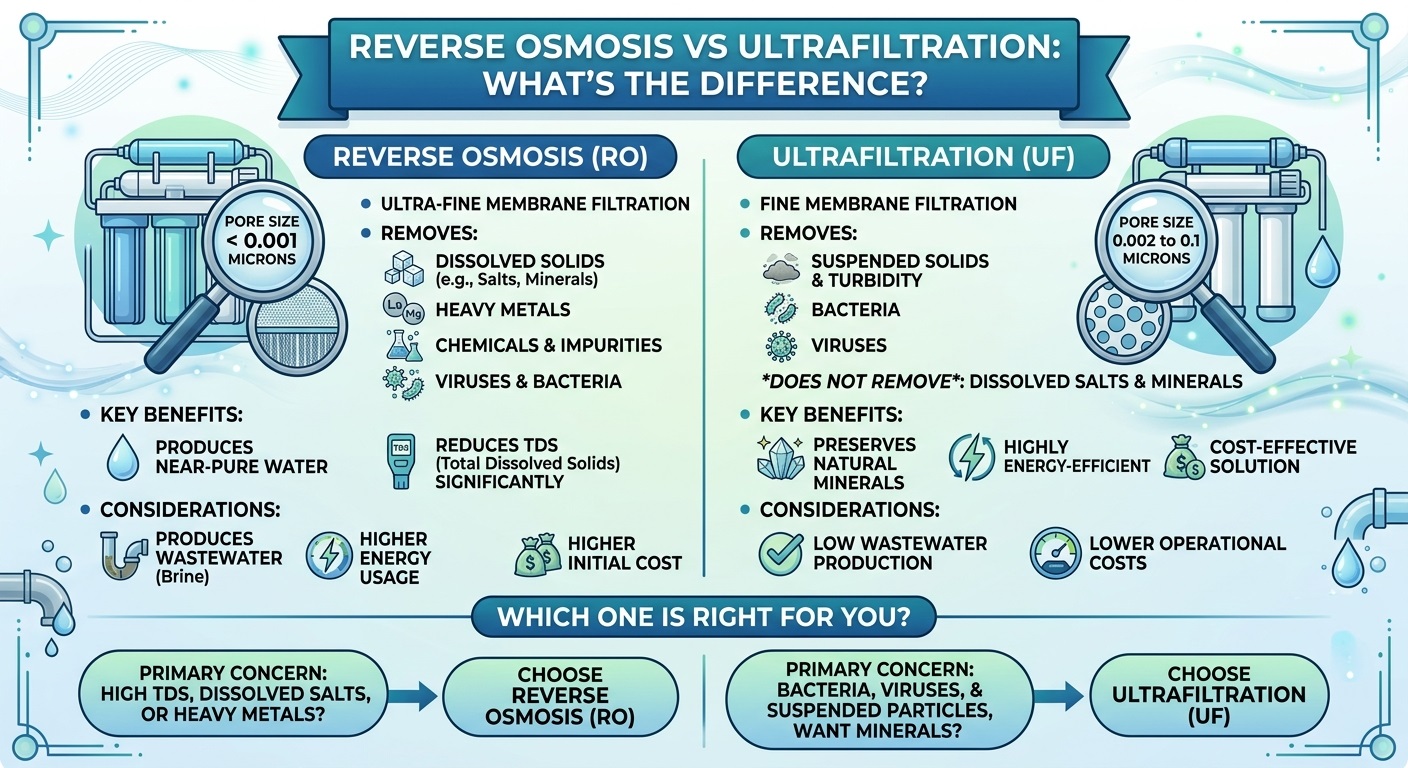
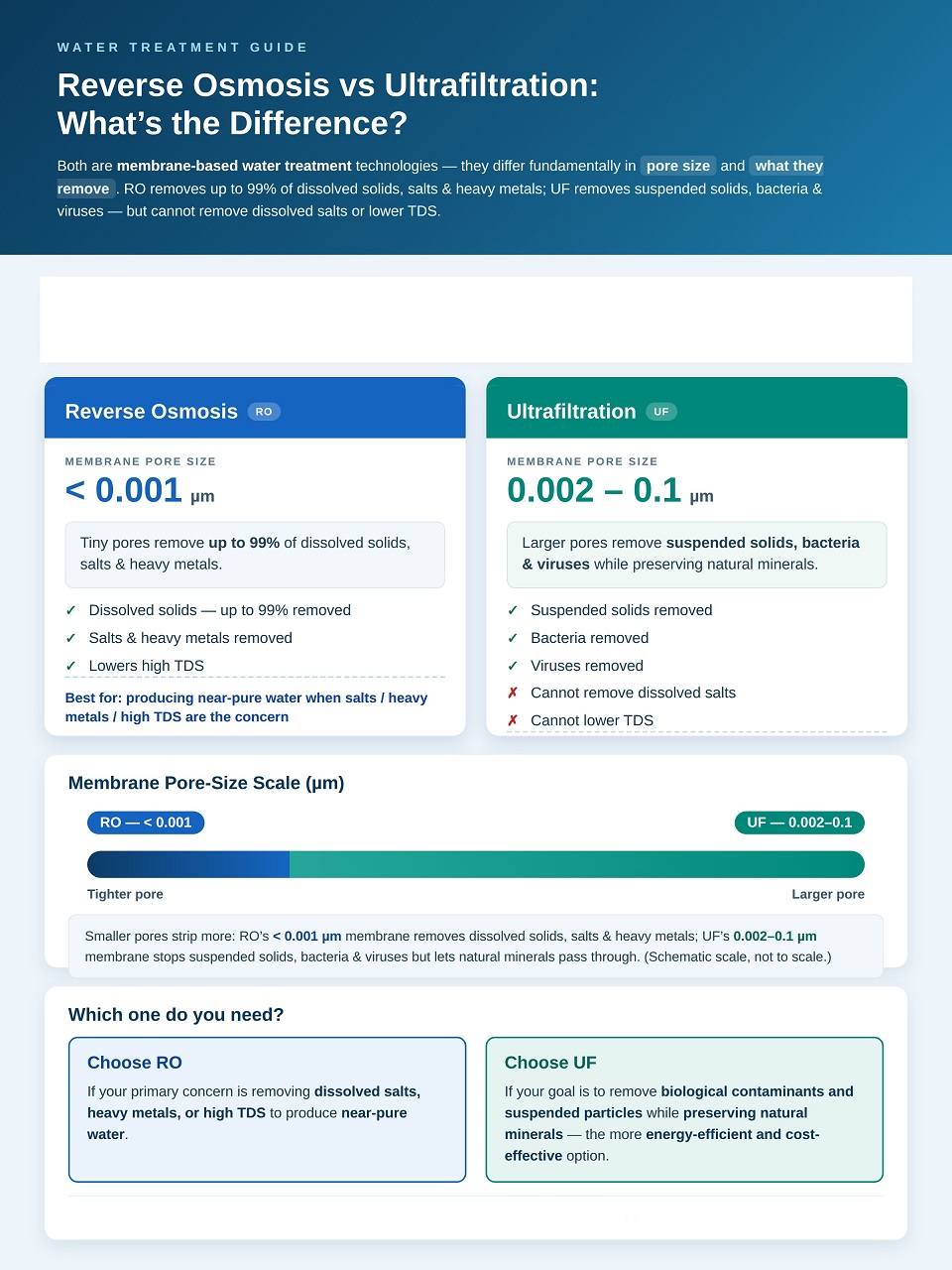
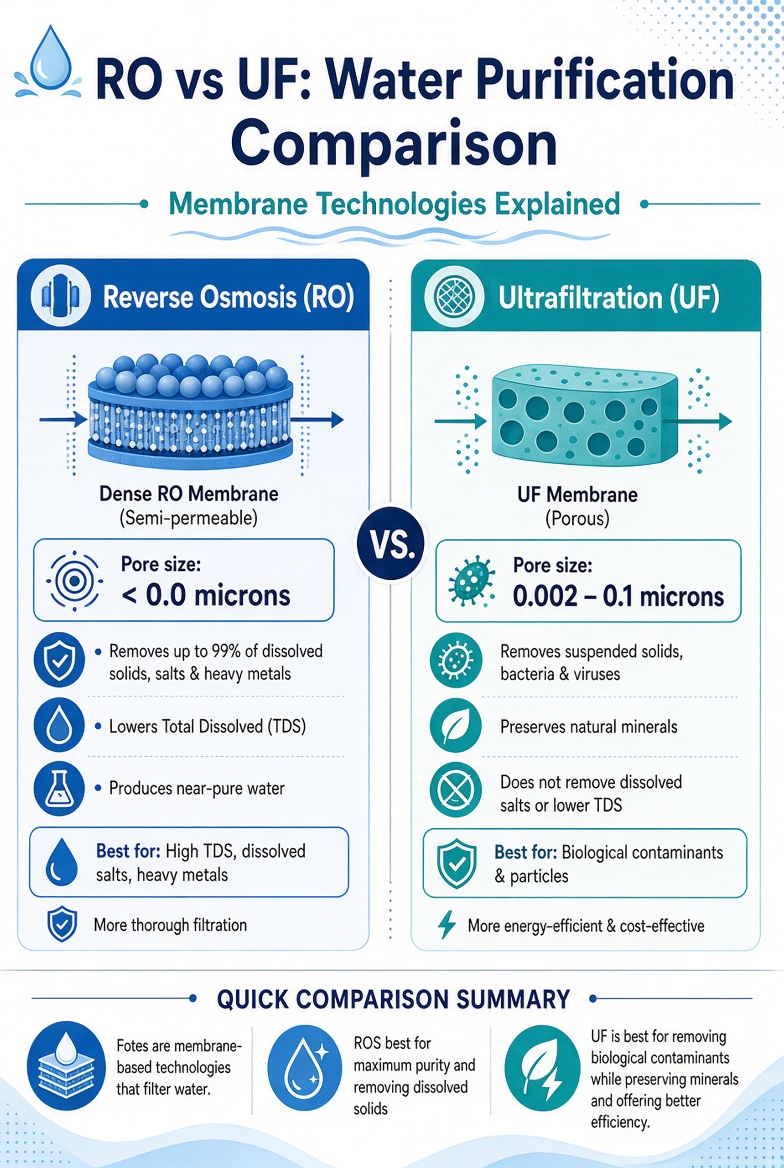
Reverse osmosis (RO) and ultrafiltration (UF) are both membrane-based water treatment technologies, but they differ fundamentally in their pore sizes and what they remove. RO uses a membrane with pores smaller than 0.001 microns to remove up to 99% of all dissolved solids, salts, and heavy metals, while UF uses a membrane with larger pores (0.002 to 0.1 microns) to remove suspended solids, bacteria, and viruses, but cannot remove dissolved salts or lower Total Dissolved Solids (TDS).
If your primary concern is removing dissolved salts, heavy metals, or high TDS to produce near-pure water, RO is the necessary technology. If your goal is to remove biological contaminants and suspended particles while preserving natural minerals, UF is the more energy-efficient and cost-effective choice.
Introduction
When exploring water purification options, you will inevitably encounter two terms: Reverse Osmosis (RO) and Ultrafiltration (UF). While both use semi-permeable membranes to filter water, they are designed for very different purposes. Choosing the wrong technology could mean either paying for unnecessary capability or, worse, failing to remove harmful contaminants from your water.
This guide explains the key differences between Reverse Osmosis vs Ultrafiltration in simple terms, helping you understand which technology—or combination—is right for your specific water quality needs in Kenya.
What Is Ultrafiltration (UF)?
Ultrafiltration is a pressure-driven membrane filtration process that physically removes contaminants from water. Think of it as a very fine sieve.
UF membranes typically have pore sizes ranging from 0.002 to 0.1 microns. To put that in perspective, a human hair is about 75 microns thick—UF pores are thousands of times smaller.
 What UF Removes
- Bacteria and viruses
- Suspended solids, silt, and sediment
- Colloids and algae
- High molecular weight organic molecules
What UF Does NOT Remove
- Dissolved salts and minerals
- Heavy metals (lead, mercury, arsenic)
- Total Dissolved Solids (TDS)
- Fluoride or nitrates
UF operates at low pressure (typically 0.5–3 bar) and is energy-efficient. Because it does not remove dissolved minerals, UF water retains its natural mineral content.
What Is Reverse Osmosis (RO)?
Reverse osmosis is a more advanced membrane technology that removes contaminants at the molecular level. RO uses a semi-permeable membrane with pores so tiny they are measured in angstroms—less than 0.001 microns.
RO works by applying high pressure to force water through the membrane against its natural osmotic pressure. This pressure typically ranges from 8 to 80 bar, depending on feed water salinity.
What RO Removes 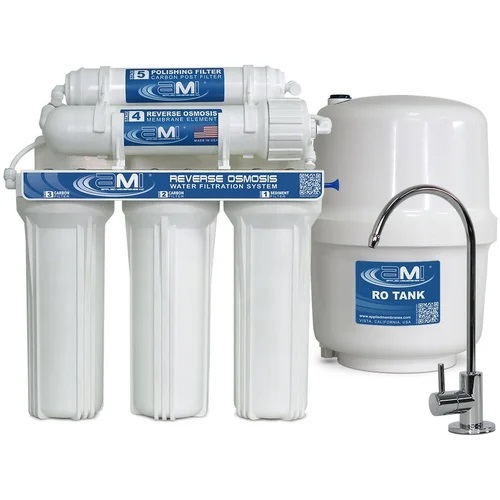
- Up to 99% of all dissolved solids (TDS)
- Dissolved salts (sodium, calcium, magnesium)
- Heavy metals (lead, mercury, arsenic)
- Fluoride and nitrates
- Bacteria and viruses
- Pesticides and other organic contaminants
What RO Does NOT Remove (Effectively)
- Some dissolved gases
- Certain volatile organic compounds (if carbon pre-treatment is inadequate)
RO requires electricity and operates under high pressure, resulting in higher energy consumption. It also produces a concentrate (waste) stream, typically wasting 20–50% of feed water.
Reverse Osmosis vs Ultrafiltration: Key Differences Between Reverse Osmosis and Ultrafiltration at a Glance
| Parameter | Ultrafiltration (UF) | Reverse Osmosis (RO) |
| Pore Size | 0.002–0.1 microns | <0.001 microns (non-porous) |
| Operating Pressure | 0.5–3 bar | 8–80 bar |
| Removes Dissolved Salts | No | Yes (>95%) |
| Removes TDS | No | Yes (>95%) |
| Removes Heavy Metals | No | Yes |
| Removes Bacteria/Viruses | Yes (4–6 log) | Yes |
| Removes Fluoride | No | Yes |
| Retains Minerals | Yes | No (removes most) |
| Energy Requirement | Low | High |
| Water Recovery | >90% | 50–75% |
| Wastewater Produced | Minimal (backwash only) | 20–50% of feed |
| Capital Cost | Lower | Higher |
| Operating Cost | Lower | Higher |
| Pretreatment Required | Minimal (SDI <5) | Extensive (SDI <3) |
 When to Choose Ultrafiltration (UF)
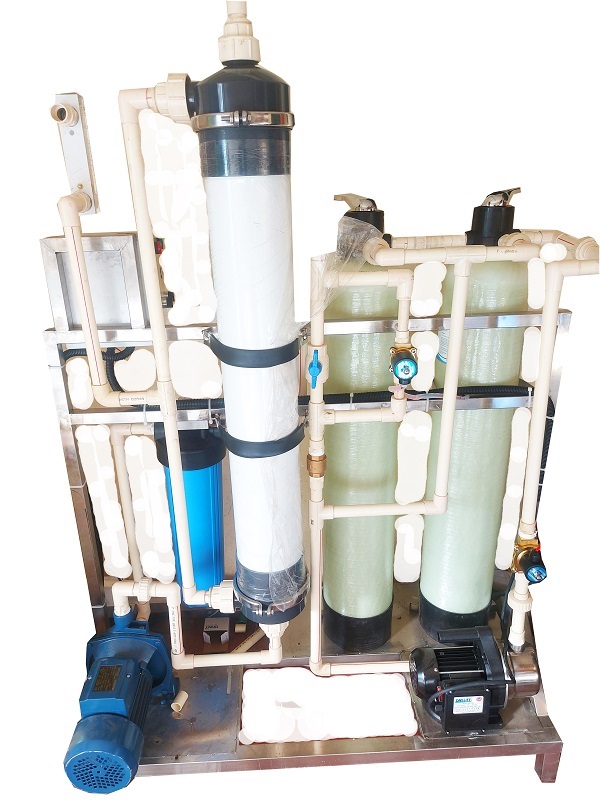 UF is the right choice when:
- Your Water Has Low TDS But Biological Contamination
If your water source has low dissolved solids but contains bacteria, viruses, or suspended particles, UF provides effective biological safety without the cost and complexity of RO. - You Want to Retain Natural Minerals
UF preserves beneficial minerals like calcium and magnesium, making it suitable for applications where mineral content is desirable. - Energy Efficiency Is a Priority
UF operates at low pressure and consumes significantly less energy than RO. - You Need Pre-Treatment for an RO System
UF is commonly used ahead of ROto reduce the Silt Density Index (SDI) to below 3, protecting RO membranes from colloidal fouling and extending their life. - Budget Constraints Are a Factor
UF systems are generally more affordable to install and maintain due to their simpler design and lower operating costs.
Typical UF Applications
- Municipal drinking water treatment
- Pre-treatment for RO systems
- Wastewater treatment
- Removal of bacteria and viruses from surface water
When to Choose Reverse Osmosis (RO)
RO is the right choice when: 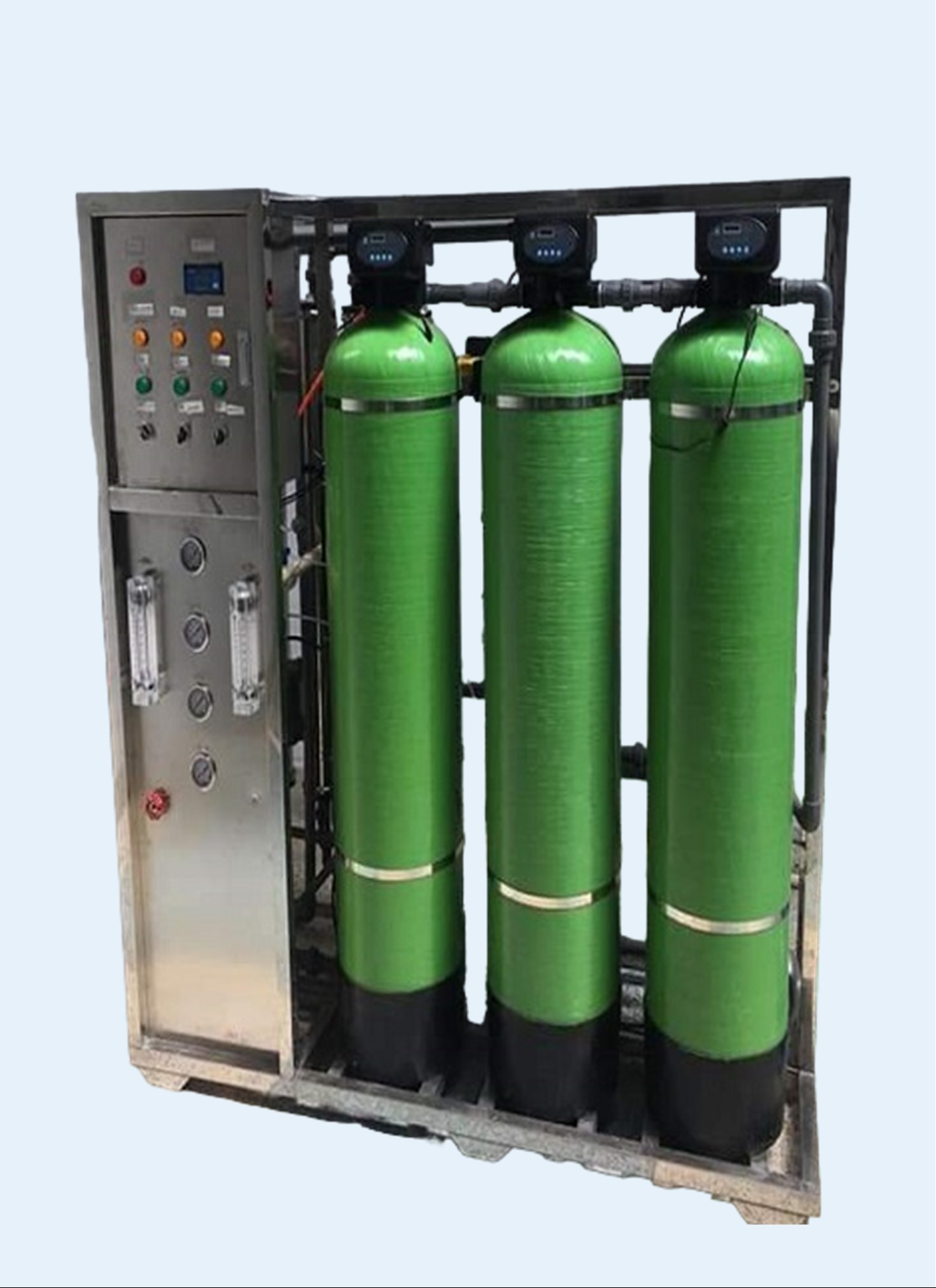
- Your Water Has High TDS or Dissolved Salts
RO is the only technology that effectively removes dissolved salts, making it essential for brackish water, saline water, or water with high TDS. - You Need to Remove Fluoride or Heavy Metals
In areas like the Rift Valley where fluoride levels exceed safe limits, RO is necessary to produce safe drinking water. - You Require High-Purity Water
RO produces near-pure water suitable for boiler feed, pharmaceutical applications, and ultrapure water requirements. - You Are in the Water Bottling Business
KEBS requires bottled water to have TDS below 10 mg/L—a standard that only RO can reliably achieve. - You Need Consistent, Year-Round Water Quality
RO provides consistent removal of dissolved contaminants regardless of seasonal variations in feed water quality.
Typical RO Applications
- Borehole water treatment (high TDS or high fluoride)
- Water bottling and vending
- Desalination
- Boiler feed water
- Pharmaceutical and industrial applications
Can UF and RO Work Together?
Yes—and they often do. In fact, combining UF and RO is one of the most effective water treatment strategies available.
UF serves as an ideal pre-treatment for RO systems. By removing suspended solids, bacteria, and colloids before water reaches the RO membrane, UF:
- Protects the RO membrane from fouling and damage
- Extends RO membrane life
- Reduces chemical cleaning frequency
- Improves overall system efficiency
This combination is increasingly used in Kenya, with projects in Baringo and Lake Victoria combining UF and RO technologies to remove fluoride and other contaminants from community water sources.
Which Between Reverse Osmosis and Ultrafiltration Is Better for Kenyan Conditions?
The answer depends entirely on your feed water quality and application:
| Water Quality | Recommended Technology | Reason |
| TDS < 100 ppm, biological contamination present | UF | Removes pathogens, retains minerals, low cost |
| TDS 100–300 ppm (highland boreholes) | RO (Low Hardness-Low Saline) | Removes dissolved solids efficiently; targeted for this range |
| TDS 300–1000 ppm (brackish) | RO (standard brackish) | Only RO can reduce TDS to safe levels |
| TDS > 1000 ppm | RO (high-pressure) | Desalination required |
| High fluoride | RO | UF cannot remove fluoride |
| High turbidity + high TDS | UF + RO | UF removes solids; RO removes dissolved contaminants |
Frequently Asked Questions About Reverse Osmosis vs Ultrafiltration Systems
- What is the main difference between RO and UF?
RO removes dissolved salts, heavy metals, and TDS using a membrane with pores smaller than 0.001 microns. UF removes suspended solids, bacteria, and viruses using larger pores (0.002–0.1 microns) but cannot remove dissolved salts. - Which is better, RO or UF?
Neither is universally “better”—it depends on your water quality. RO is essential for removing dissolved salts and TDS; UF is more energy-efficient and retains minerals. - Does UF remove bacteria and viruses?
UF effectively removes bacteria and viruses, making it suitable for biological water treatment. - Does RO remove all minerals?
RO removes most dissolved minerals, including beneficial ones like calcium and magnesium. Some systems include a remineralization stage for drinking water applications. - Which system costs more to operate?
RO has higher operating costs due to higher energy consumption, more frequent membrane cleaning, and wastewater disposal. - Can UF be used as pre-treatment for RO?
UF is commonly used ahead of RO to remove suspended solids and colloids, protecting the RO membrane and extending its life. - Which system is better for borehole water in Kenya?
For boreholes with TDS between 100 and 300 ppm, a low hardness-low saline RO system is ideal. For boreholes with high turbidity but low TDS, UF may be sufficient. For high TDS or high fluoride, RO is essential. - Does UF produce wastewater?
UF produces minimal wastewater—primarily backwash water used to clean the membrane. RO produces a significant concentrate stream (20–50% of feed water).
Reverse Osmosis vs Ultrafiltration- Conclusion
Reverse osmosis and ultrafiltration are both effective membrane technologies, but they serve fundamentally different purposes:
- UF removes suspended solids, bacteria, and viruses while preserving natural minerals. It is energy-efficient, cost-effective, and ideal for water with low TDS but biological contamination.
- RO removes dissolved salts, heavy metals, and TDS at the molecular level. It is essential for brackish water, high-fluoride water, and applications requiring high-purity water.
In many cases, the best solution is UF + RO—using UF as pre-treatment to protect the RO membrane and extend its life.
For borehole water in Kenya with TDS between 100 and 300 ppm, the Low Hardness-Low Saline Reverse Osmosis Machine offers the right balance of purification power and efficiency—delivering the dissolved solids removal that UF cannot provide. For water with TDS between 500 to 1200 ppm and above, is considered high and requires a High Hardness-High Saline Reverse Osmosis Machine.
Explore Our Ultra Filtration Water Purifier Series
If you are looking for a commercial RO system designed specifically for low-TDS water sources in Kenya, explore the full specifications, capacities, and pricing of the Phynetech UF Purifier Machines.
For inquiries or to discuss your specific water quality:
- Phone/WhatsApp: +254 720 900 777 | 0717 777 112
- Email: phynetech@gmail.com
- Location: Ruiru Exit 11, Eastern Bypass, Kihunguro, Thika Road, Kenya
Still unsure which technology is right for you? Read our Commercial RO System Buying Guide Kenya or contact Phynetech for a free consultation and water quality assessment.

Discussion
Testimonials
"Talk of quality products Phynetech limited got u covered.Thanks for always being the best and not forgetting the customer service"
Becky Gichimu
Related Post
For more related Blog posts from Phynetech Limited Kenya