Water Vending Station
Is a Purified Water Vending Business Profitable in Kenya? An In-depth Market Analysis Before Investing
Introduction
Access to clean drinking water remains a major challenge in Kenya, with millions still relying on untreated sources. This has created a booming market for purified water vending businesses, offering entrepreneurs a low-cost, high-demand opportunity. But is a purified water vending business profitable in Kenya? The answer depends on several factors, including local demand, competition, pricing strategies, and your target customer base.
In this guide, we’ll break down everything you need to know before investing in a water vending business in Kenya, helping you make an informed decision.
Is a Purified Water Vending Business Profitable in Kenya? Here are some of things to know before investing in a water vending station business in Kenya
In the section below, we will try to unravel if a purified water vending business profitable in Kenya? We will discuss all an in-depth market analysis for water vending business in Kenya to help you make an informed decision before venturing into it.
1. Understanding the Purified Water Vending Business
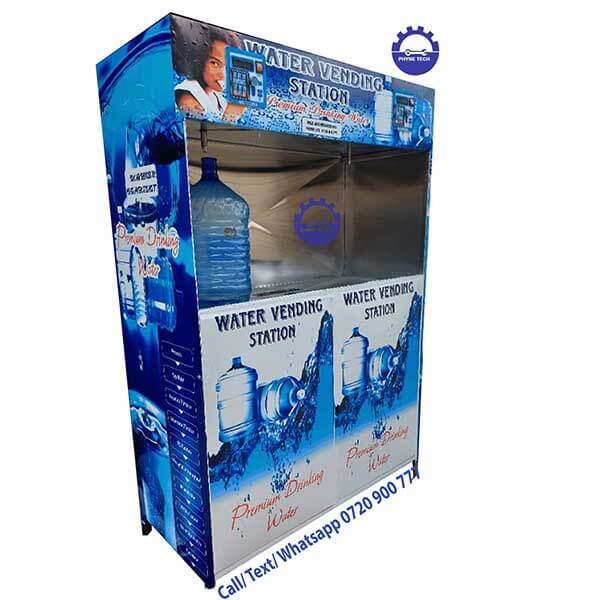
Water Refilling Station
A purified water vending business involves treating and selling clean drinking water to consumers through automated dispensers or manual distribution.
Business Model Breakdown
- Sourcing: Water can be obtained from municipal supplies, boreholes, or rainwater harvesting.
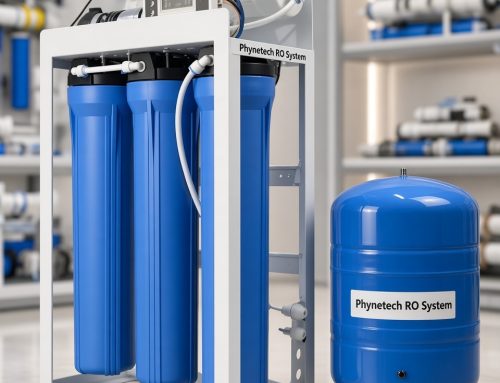
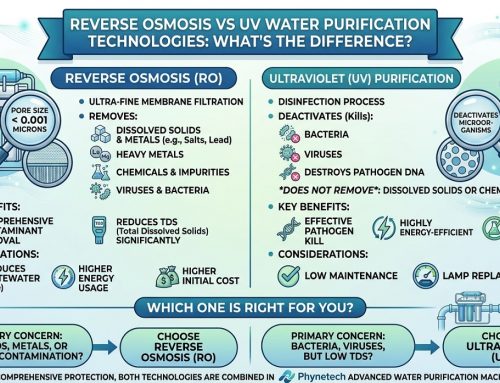
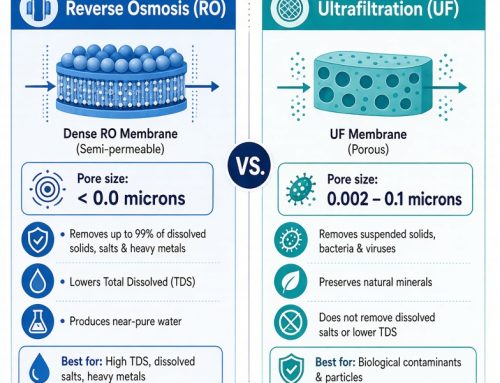
- Purification: Most businesses use Reverse Osmosis (RO) Water Purifiers or Ultraviolet (UV) filtration to ensure safety.
- Packaging: Sold in 20L jerricans, 1L bottles, or via refill stations.
- Distribution: Direct sales at vending stations or home/office deliveries.
Why It’s a Great Business
- Low startup costs(from as low as Ksh 150,000)
- High demand in urban and peri-urban areas
- Scalable– can expand to multiple locations
2. Assessing Local Demand for Purified Water
Factors Driving Demand in Kenya
- Urbanization– Fast-growing cities increase demand for clean water.
- Health awareness– More Kenyans now prefer purified over tap water.
- Limited access– Many areas still lack reliable clean water.
How to Conduct a Demand Analysis
- Survey potential customers– Ask about their current water sources.
- Observe competitors– Check foot traffic at nearby water stations.
- Analyze population density– High-density areas = More customers.
Hotspots for High Demand:
- Urban estates:
- University and college areas
- Construction sites & offices
3. Analyzing Competition in the Water Vending Market
Who Are Your Competitors?
- Established water vendors– Already have loyal customers.
- Bottled water brands– E.g., Aquafina, Keringet (higher prices).
- Informal vendors– Handcart sellers offering cheaper but lower-quality water.
How to Stand Out
Offer superior purification- (RO + UV for safety).
Competitive pricing– Adjust based on location (e.g., Ksh 5/L in Umoja vs. Ksh 10/L in Donholm).
Better convenience– extended operating hours or free deliveries.
Pro Tip:
Find underserved areas where residents still buy from unreliable sources.
4. Pricing Strategies for a Water Vending Business
Cost Breakdown
| Expense | Estimated Cost (Ksh) |
| RO Purification System | 120,000 – 350,000 |
| Storage Tanks | 15,000 – 80,000 |
| Licensing & Permits | 5,000 – 25,000 |
| Monthly Utilities | 3,000 – 10,000 |
Pricing Models That Work
- Volume Discounts– Cheaper rates for bulk buyers (e.g., offices).
- Subscription Plans– Weekly/Monthly refills at fixed prices.
- Dynamic Pricing– Charge more in affluent areas (e.g., Ksh 10/L in Donholm vs. Ksh 5/L in Umoja).
Key Rule: Balance affordability and profitability while ensuring high quality.
5. Identifying Your Potential Customer Base

Water Refilling Station
Target Markets
- Residential Areas– Homes in estates without piped water.
- Commercial Clients– Offices, schools, restaurants.
- Events & Institutions– Churches, weddings, corporate events.
How to Reach Customers
- Social Media Marketing– WhatsApp groups, Facebook, TikTok.
- Partnerships– Churches, schools, and local businesses.
- Free Delivery– Within your locality to boost loyalty.
- Sponsorships– Support local events (e.g., football tournaments).
6. Challenges and Solutions in the Water Vending Business
Common Challenges:
- High Competition – Price wars can reduce profits.
- The water vending sector often sees intense competition, leading to price wars that squeeze profit margins. This can make it difficult for new businesses to establish themselves and maintain profitability, especially if they are unable to offer a competitive price point.
- Water Supply Issues – Droughts or contamination risks.
- Water vending businesses rely heavily on a consistent and reliable water supply. Droughts can lead to shortages, and contamination risks can compromise water quality, damaging the business’s reputation and leading to regulatory problems.
- Regulatory Hurdles – NEMA & public health licenses.
- Navigating the regulatory landscape, including obtaining NEMA and public health licenses, can be complex and time-consuming. Delays or non-compliance can result in fines or even business closure, increasing operational costs.
Proven Solutions:
- Invest in Reliable Purification – RO systems prevent quality issues.
- Investing in high-quality reverse osmosis (RO) systems ensures consistent water purity, mitigating contamination risks and building customer trust. Regularly maintained RO systems provide a reliable defense against water quality fluctuations.
- Build Brand Loyalty – Offer loyalty discounts & excellent service.
- Cultivating brand loyalty through loyalty discounts, excellent customer service, and consistent quality can help businesses retain customers despite price competition. Building a strong brand reputation fosters repeat business and positive word-of-mouth.
- Stay Compliant – Get all required permits before launching.
- Proactively obtaining all necessary permits and licenses before launching the business ensures compliance with regulations, preventing costly fines and disruptions. Maintaining open communication with regulatory bodies helps navigate potential challenges.
7. Conclusion: Is This Business Right for You?
Starting a purified water vending business in Kenya can be highly profitable if you:
- Analyze local demand before investing.
- Stand out from competitors with better quality & service.
- Price smartly to attract and retain customers.
Ready to start your water vending business and need the right water purification machines?
Are you interested in starting a water vending business and need a looking for a high quality water station machine? No need to look any further. Contact us today for high-quality water vending machines & purification systems – we’re Kenya’s leading suppliers!
Contact us using any of the means below:

Discussion
Testimonials
"Talk of quality products Phynetech limited got u covered.Thanks for always being the best and not forgetting the customer service"
Becky Gichimu
Related Post
For more related Blog posts from Phynetech Limited Kenya