Why Invest in Phynetech Water & Milk Bowsers
Liquid distribution forms the backbone of agricultural and municipal logistics across East Africa. Transporting bulk consumables like clean drinking water and raw milk presents complex operational challenges. Transport operators must maintain strict hygiene standards while navigating demanding road conditions.
Phynetech Ltd designs and manufactures premium truck-mounted liquid transport tanks to solve these challenges. Our commercial transport units provide exceptional durability, food safety compliance, and vehicle stability. Investing in the right transport asset directly influences operational overheads and long-term business profitability.
We engineer high-performance liquid distribution bowsers engineered specifically for African terrain. This technical article reviews the engineering standards, safety regulations, and financial returns of our commercial transport units.
Why Invest in Phynetech Water & Milk Bowsers
1. Material Integrity and Food Safety Compliance
The selection of manufacturing materials determines the safety of consumable liquid transport. Lower-grade storage materials pose significant contamination risks through chemical leaching and bacterial colonization. Phynetech tanks mitigate these risks through premium metallurgical specifications and advanced fabrication techniques.
Premium Grade Austenitic Stainless Steel
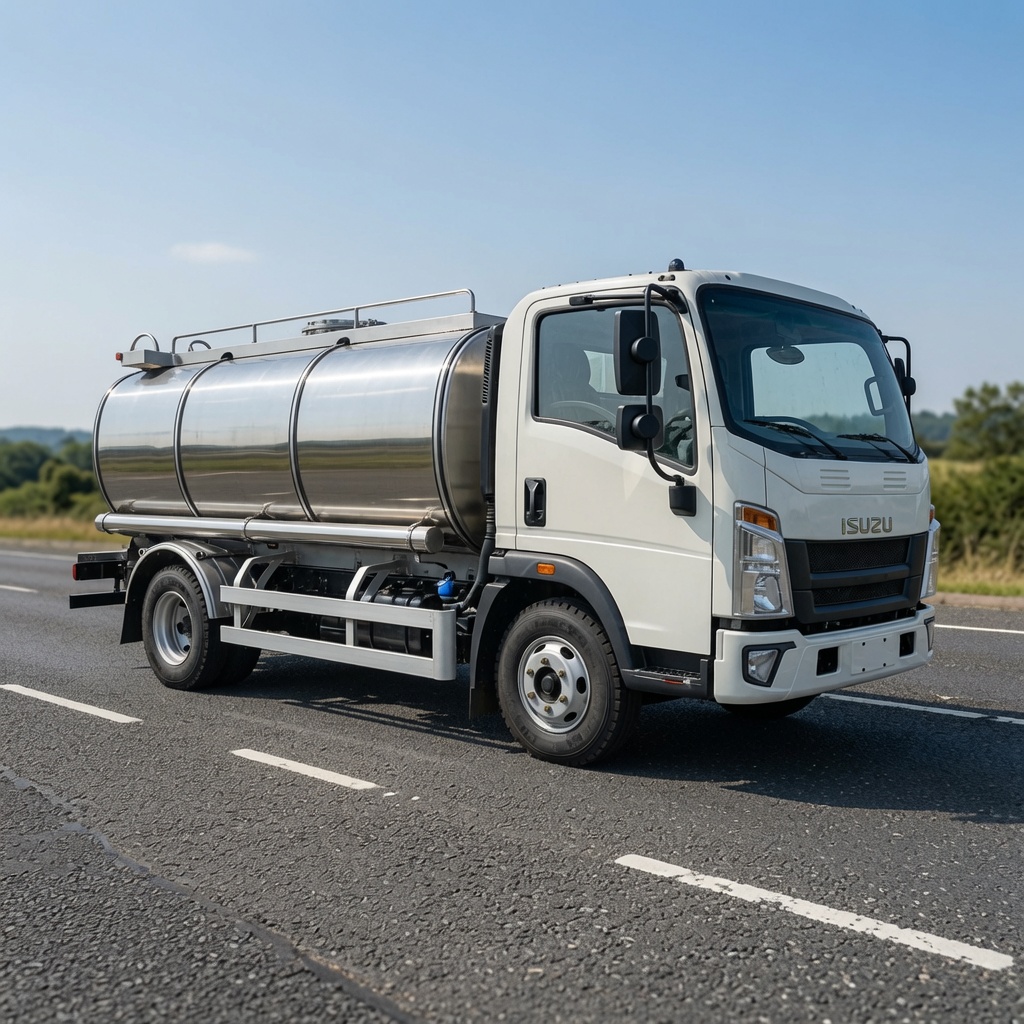 We construct all product contact surfaces using certified grade 304 austenitic stainless steel ($SS304$). This alloy contains high levels of chromium and nickel to provide exceptional corrosion resistance. The material prevents oxidation from acidic liquids like milk and treated municipal water supplies.
Our manufacturing processes follow international sanitary standards established by the American Iron and Steel Institute (AISI). The chemical stability of $SS304$ prevents elemental migration into food products. This ensures that transported milk and drinking water maintain absolute sensory and biological purity.
Sanitary Welding and Surface Passivation
Bacterial growth typically begins within microscopic structural cracks and irregular weld seams. We utilize Gas Tungsten Arc Welding (GTAW) to create completely smooth, continuous internal joints. Our technicians grind all internal welds to a smooth, non-porous sanitary finish.
Following fabrication, we perform chemical passivation treatments on the internal structural surfaces. This process removes exogenous iron particles and creates a protective chromium oxide layer. The resulting ultra-smooth surface resists organic residue adhesion and simplifies cleaning operations.
2. Advanced Structural Engineering and Vehicle Dynamics
Transporting dynamic liquid payloads introduces severe mechanical stress and fluid sloshing forces. Poorly designed transport tanks compromise vehicle control and accelerate mechanical wear on truck chassis. We utilize advanced fluid mechanics and structural engineering to maximize safety and vehicle longevity.
Low Centre of Gravity Elliptical Geometry
Our transport units feature an engineered elliptical cross-section rather than a standard circular profile. This profile lowers the center of mass of the fluid payload relative to the truck chassis. A lower center of gravity improves vehicle handling during cornering and sudden directional changes.
Standard Circular Profile (High Center of Gravity) -> Increased Rollover Risk
Phynetech Elliptical Profile (Low Center of Gravity) -> Enhanced On-Road Stability
This geometric design reduces lateral kinetic energy transfer to the vehicle suspension system. This enhancement is essential for navigating unpaved rural roads and steep terrain across East Africa. Enhanced stability protects drivers, trucks, and payloads from catastrophic rollover accidents.
Precision Surge Control Baffle Systems
Fluid sloshing during braking or acceleration creates dangerous kinetic forces known as surge effects. We install heavy-duty internal surge baffles inside every liquid compartment. These internal bulkheads feature engineered flow-control apertures to dissipate forward and backward fluid movement.
[Sudden Braking] -> [Fluid Moves Forward] -> [Baffle Apertures Dissipate Energy] -> [Chassis Remains Stable]Our surge control systems prevent sudden weight transfers from overwhelming the truck braking system. This layout reduces stopping distances and protects transmission components from repetitive impact stress. Minimizing fluid movement reduces structural wear on the primary truck chassis mounts.
3. Comparative Technical Specifications
Selecting transport equipment requires a detailed analysis of material performance and structural dimensions. The table below compares Phynetech heavy-duty steel transport tanks with conventional plastic distribution tanks.
Technical Performance Matrix
| Engineering Feature | Phynetech Stainless Steel Bowsers (SS304) | Standard Plastic (HDPE) Transport Tanks |
| Material Thickness | 3.0 mm Nominal Gauge | Varied (Structural degradation over time) |
| Structural Profile | Low-Profile Engineered Elliptical | High-Profile Cylindrical or Rectangular |
| UV Degradation | Fully immune to solar UV radiation | High risk of embrittlement and cracking |
| Sanitary Integrity | Non-porous surface prevents bacterial growth | Porous microtexture hosts organic residue |
| Impact Resistance | High energy absorption without puncturing | High risk of fracture under impact loads |
| Expected Lifespan | Exceeds 20 years with minimal maintenance | Typically requires replacement in 2 to 5 years |
4. Operational Efficiencies and Thermal Insulation
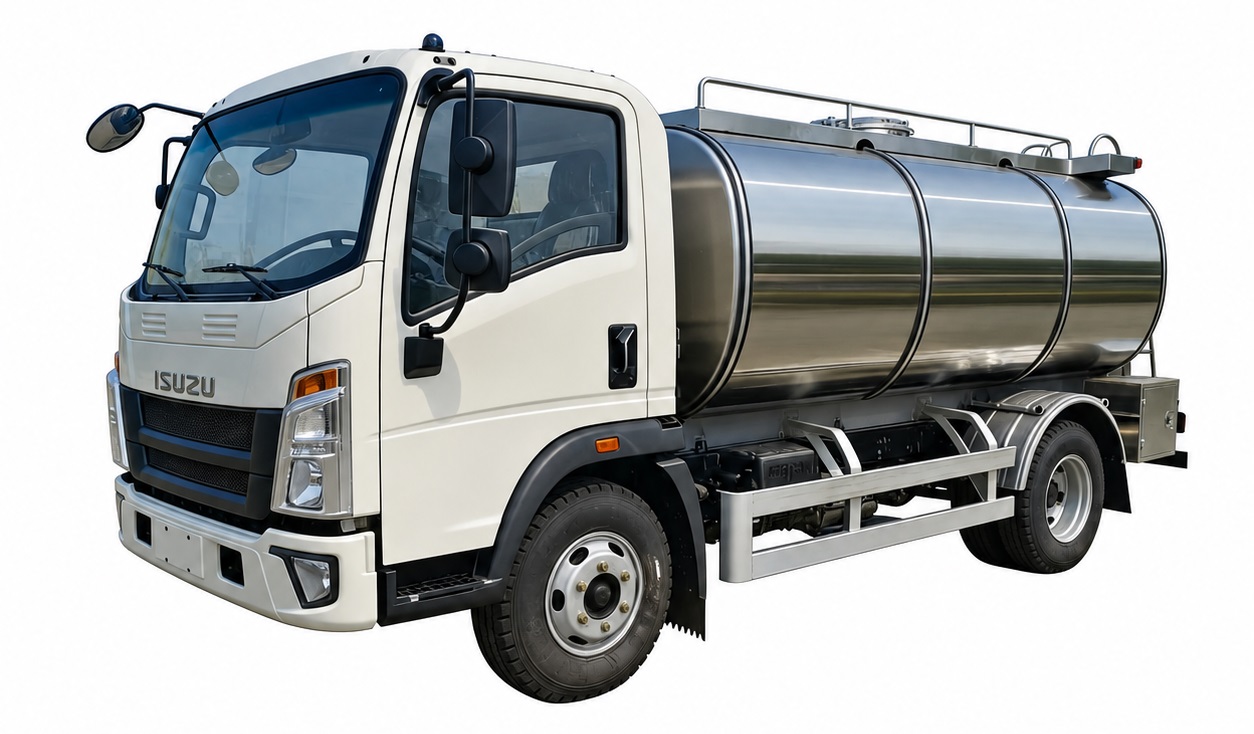 Thermal management is critical when transporting temperature-sensitive agricultural consumables like raw milk. Allowing cargo temperatures to rise accelerates microbial replication and risks spoiling entire product batches. Our specialized milk transport assets use advanced temperature control engineering to maintain product quality.
High-Density Polyurethane Thermal Barrier
We fit our milk transport units with a high-density polyurethane (PUR) insulation layer. This advanced insulation material provides an exceptionally low thermal conductivity rating. The insulation core is sealed inside a protective outer stainless steel cladding.
[Ambient Heat (35°C)] -> [Stainless Cladding] -> [PUR Thermal Barrier] -> [Milk Payload (4°C)]This insulation setup limits temperature variance to less than 1°C over a twelve-hour transport window. Maintaining consistent cold-chain temperatures eliminates the need for onboard mechanical refrigeration units. This design reduces equipment weight, mechanical complexity, and diesel fuel consumption.
Clean-in-Place (CIP) Sanitation Systems
Efficient fleet management requires fast, thorough cleaning turnarounds between delivery runs. We integrate specialized Clean-in-Place (CIP) systems with rotating spray balls inside the tank chambers. These systems provide complete 360-degree chemical sanitization across all internal surfaces.
[CIP System Activated] -> [Rotary Spray Balls] -> [360° Chemical Coverage] -> [Zero Biofilm]Automated CIP systems eliminate the risks and inconsistencies of manual internal scrubbing. High-pressure spray patterns quickly remove milk fat deposits and stubborn organic mineral scale. This rapid sanitation process ensures compliance with public health standards while maximizing vehicle uptime.
5. Financial Returns and Commercial Value
Commercial transport assets must deliver measurable financial returns on your capital investment. While alternative materials may have lower initial purchase costs, they incur higher operational expenses. Investing in heavy-duty steel transport units improves long-term profitability through lower lifetime ownership costs.
High-Quality Asset -> Minimal Maintenance Costs + 20-Year Lifespan = Superior ROI
Extended Asset Life and Depreciable Value
Phynetech transport units utilize a heavy-duty 3.0 mm steel shell that delivers a service life exceeding twenty years. Plastic and lower-grade steel alternatives degrade rapidly under heavy daily usage and sun exposure. Frequent equipment replacements disrupt distribution logistics and drain business capital.
Our premium stainless steel equipment retains strong residual market value over its operating life. If you choose to upgrade your fleet, these assets command high resale prices in the secondary market. This long-term durability lowers depreciation expenses on your corporate balance sheet.
Reduced Maintenance Costs and Maximized Uptime
Frequent structural repairs, weld fractures, and leak fixes cut directly into transport profit margins. Our advanced structural engineering minimizes stress concentrations across the entire tank body. This robust construction prevents stress fractures along the structural chassis mounts.
Our smooth sanitary interiors also minimize product loss from residual liquid trapping. Eliminating product retention maximizes delivery yields on every commercial run. Maximizing vehicle uptime allows transport operators to secure consistent, high-yield logistics contracts.
6. Regulatory Compliance and Industry Standards
Operating commercial food-grade delivery transport requires strict compliance with national and regional transport laws. Phynetech transport tanks are engineered to fulfill all statutory requirements for food and water transport. This design focus helps fleet owners avoid costly compliance penalties and operational delays.
[Phynetech Design] -> [KEBS & Public Health Compliant] -> [Unrestricted Regional Transport]National Food Safety and Standards Compliance
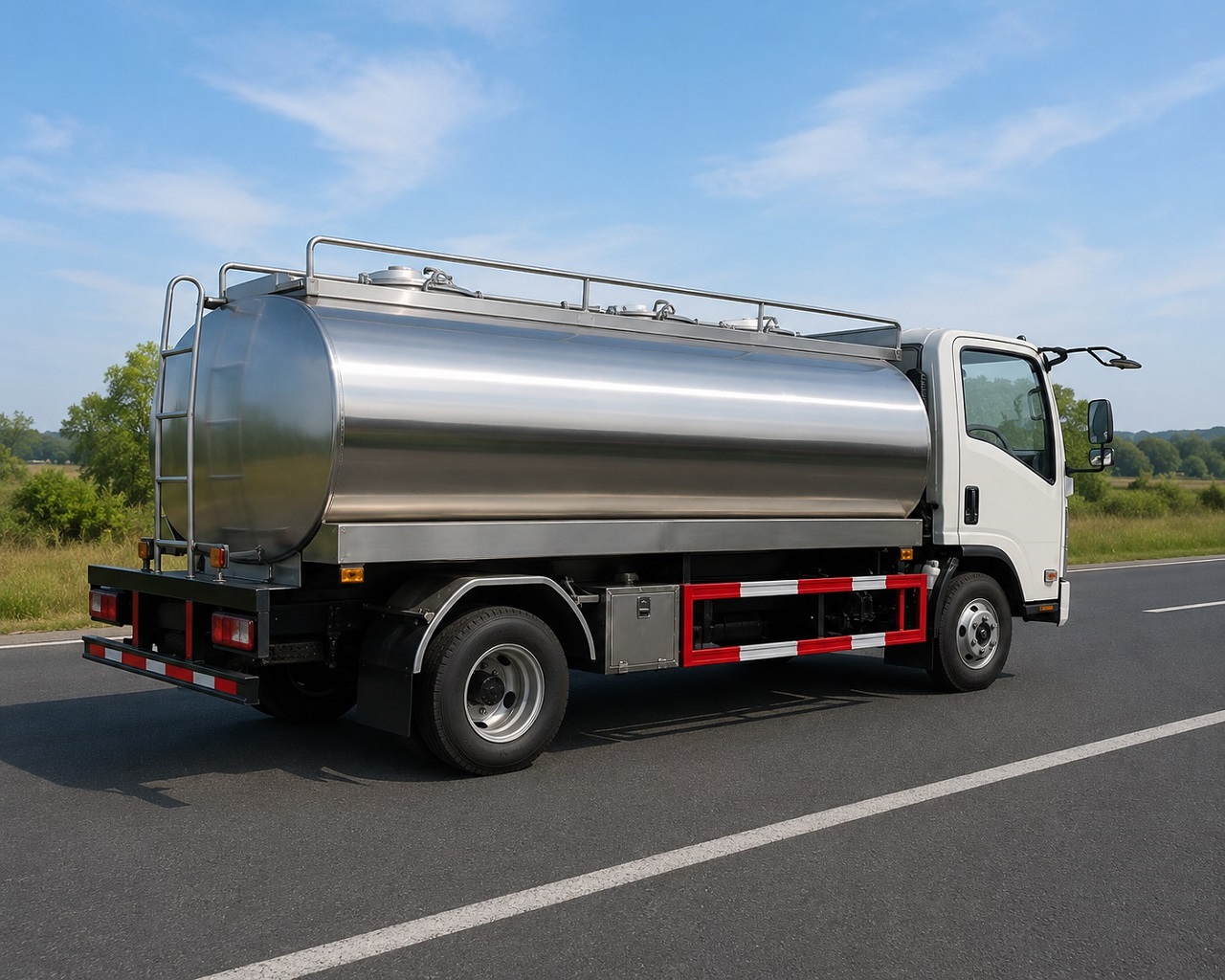 Our manufacturing processes align with the strict guidelines of the Kenya Bureau of Standards (KEBS). We use food-grade $SS304$ to meet all national public health standards for transporting consumable liquids. This compliance ensures your cargo passes inspection at dairy processing plants and water distribution depots.
Our secure, dust-proof manhole assemblies prevent environmental contamination during transit. The integrated breather valves maintain correct internal pressure while blocking airborne dust and pathogens. These safety features protect product quality during long-distance transport across rural routes.
National Transport and Safety Authority (NTSA) Alignment
Vehicle modifications must comply with national axle load limits and stability requirements. Our low-profile elliptical configurations satisfy all National Transport and Safety Authority (NTSA) safety regulations. The balanced weight distribution helps avoid dangerous axle overloads at commercial weighbridges.
[Elliptical Tank Geometry] -> [Balanced Axle Load] -> [Passes NTSA Weighbridge Inspections]Proper weight distribution protects vehicle braking systems and reduces tyre wear. This engineering compliance ensures your fleet operates legally on all public transport networks. It also reduces the legal liability exposure associated with operating unstable delivery vehicles.
7. Industry Case Studies and Technical Applications
┌──► Dairy Logistics (Raw Milk Collection & Chilling Hubs)
│
Phynetech Bowsers ─┼──► Municipal Water Supply (Clean Water Delivery & Emergencies)
│
└──► Commercial Beverage Transport (Juices, Edible Oils, Bulk Liquids)
Dairy Logistics and Collection Networks
Agricultural cooperatives use our insulated transport units to manage regional milk collection networks. These assets collect raw milk from rural smallholder farms and deliver it to central processing plants. Reliable thermal insulation protects milk quality even during long transit delays on unpaved roads.
The multi-compartment options allow logistics operators to segregate different grades of milk on the same route. This flexibility helps cooperatives optimize fuel efficiency and streamline fleet operations. Smooth internal surfaces prevent fat separation and stickiness, maximizing product recovery during discharge.
Municipal and Commercial Water Supply
Private distribution networks and emergency services rely on our bulk water tankers to deliver clean drinking water. Industrial clients use these heavy-duty units to haul clean water to remote construction and mining sites. The corrosion-resistant stainless steel avoids the rust problems common to mild-steel tanks.
Our high-capacity discharge valves allow operators to unload payloads quickly at delivery sites. The internal surge baffles provide safe handling when driving partially filled tanks through tight urban areas. This versatile performance makes our equipment ideal for handling diverse commercial water delivery contracts.
8. Summary of Engineering and Investment Advantages
Investing in bulk liquid transport equipment requires balancing upfront capital costs against long-term operational savings. Phynetech transport units are engineered to deliver maximum value across all operational metrics. The summary below outlines the key technical advantages that make our equipment a smart business investment.
- Certified Food Safety: We use food-grade $SS304$ stainless steel to eliminate contamination risks and ensure compliance with public health regulations.
- Enhanced Driving Safety: Our low-profile elliptical design minimizes cargo sloshing and lowers the center of gravity to prevent vehicle rollovers.
- Decade-Long Durability: Built with a heavy-duty 3.0 mm steel shell, our tanks resist impact damage and environmental weathering far better than plastic.
- Excellent Thermal Control: Our high-density polyurethane insulation maintains cold-chain temperatures for over twelve hours without mechanical cooling.
- High Return on Investment: Long asset lifespans combined with minimal maintenance requirements reduce total lifetime operating costs.
- Full Regulatory Compliance: Our designs meet all KEBS and NTSA standards, ensuring hassle-free operation across regional transport networks.
Why Invest in Phynetech Water & Milk Bowsers- Technical Frequently Asked Questions (FAQs)
- What are the main benefits of using stainless steel over plastic for liquid transport?
Stainless steel ($SS304$) offers superior structural strength, complete UV protection, and an exceptionally long service life exceeding twenty years. It features a non-porous surface that prevents bacterial growth and chemical leaching, making it the safest choice for food-grade cargo. Plastic tanks degrade from sun exposure, crack under mechanical stress, and are difficult to clean thoroughly. - How does the elliptical design improve transport vehicle safety?
The engineered elliptical shape lowers the fluid payload’s center of mass relative to the truck chassis. This low-profile geometry reduces lateral weight transfer during cornering, significantly improving vehicle stability and control. This design feature minimizes rollover risks on uneven rural roads and during sudden emergency maneuvers. - Can a single Phynetech transport tank carry both milk and water safely?
Yes, our transport units can haul both milk and clean water due to the clean properties of grade 304 stainless steel. However, operators must perform a full Clean-in-Place (CIP) sanitation cycle between cargo changes to prevent cross-contamination. For dedicated dairy applications, we highly recommend using our insulated tank options to maintain cold-chain temperatures. - What maintenance does a stainless steel liquid transport tank require?
Our transport units require very little structural maintenance beyond regular, systematic cleaning cycles. Operators should routinely inspect the mounting bolts, discharge valves, manhole gaskets, and breather vents for normal wear. The passive stainless steel body naturally resists rust and corrosion without needing external protective coatings or paints. - How do internal surge baffles protect the truck’s mechanical systems?
Internal surge baffles use engineered flow-control apertures to break up the kinetic energy of shifting liquids during braking and acceleration. This surge control prevents heavy fluid impacts from overwhelming the vehicle’s braking system and transmission. Reducing these fluid impact forces minimizes stress on the chassis mounts and suspension, extending the service life of your truck.
Secure Your Water & Milk Logistics Asset Today
Optimize your bulk liquid delivery operations with Phynetech’s premium engineering solutions. Our technical engineering team is ready to design a custom transport configuration tailored to your specific fleet requirements. Contact our sales and engineering department today for custom technical specifications, asset pricing options, and expert project consultations.
- Company Name: Phynetech Ltd
- Phone / WhatsApp: +254 720 900 777 | +254 717 777 112
- Corporate Email: phynetech@gmail.com
- Headquarters and Manufacturing Plant: Ruiru Exit 11, Immediately After Eastern Bypass, Before Shell Petrol Station, Kihunguro on Thika Road, Kenya.
Why Invest in Phynetech Water & Milk Bowsers- Frequently Asked Questions
- Question: What are the main benefits of using stainless steel over plastic for liquid transport?
Answer: Stainless steel (SS304) offers superior structural strength, complete UV protection, and an exceptionally long service life exceeding twenty years. It features a non-porous surface that prevents bacterial growth and chemical leaching, making it the safest choice for food-grade cargo. Plastic tanks degrade from sun exposure, crack under mechanical stress, and are difficult to clean thoroughly. - Question: How does the elliptical design improve transport vehicle safety?
Answer: The engineered elliptical shape lowers the fluid payload’s center of mass relative to the truck chassis. This low-profile geometry reduces lateral weight transfer during cornering, significantly improving vehicle stability and control. This design feature minimizes rollover risks on uneven rural roads and during sudden emergency maneuvers. - Question: Can a single Phynetech transport tank carry both milk and water safely?
Answer: Yes, our transport units can haul both milk and clean water due to the clean properties of grade 304 stainless steel. However, operators must perform a full Clean-in-Place (CIP) sanitation cycle between cargo changes to prevent cross-contamination. For dedicated dairy applications, we highly recommend using our insulated tank options to maintain cold-chain temperatures. - Question: What maintenance does a stainless steel liquid transport tank require?
Answer: Our transport units require very little structural maintenance beyond regular, systematic cleaning cycles. Operators should routinely inspect the mounting bolts, discharge valves, manhole gaskets, and breather vents for normal wear. The passive stainless steel body naturally resists rust and corrosion without needing external protective coatings or paints. - Question: How do internal surge baffles protect the truck’s mechanical systems?
Answer: Internal surge baffles use engineered flow-control apertures to break up the kinetic energy of shifting liquids during braking and acceleration. This surge control prevents heavy fluid impacts from overwhelming the vehicle’s braking system and transmission. Reducing these fluid impact forces minimizes stress on the chassis mounts and suspension, extending the service life of your truck.
References:
- Author/Organisation: American Iron and Steel Institute (AISI)
Article Title: Standard Specifications for Stainless Steel Materials for Food Product Contact Surfaces
Publisher: AISI Product Standards Board
Access Date: June 2026
- Author/Organisation: Kenya Bureau of Standards (KEBS)
Article Title: KS EAS 49:2007 — Milk and Milk Products — Hygiene Requirements during Production, Handling, and Transport
Publisher: KEBS Standards Committee
Access Date: June 2026
URL: https://www.kebs.org
- Author/Organisation: National Transport and Safety Authority (NTSA)
Article Title: Commercial Vehicle Axle Load Limits and Vehicle Configuration Regulations
Publisher: NTSA Republic of Kenya
Access Date: June 2026

Discussion
Testimonials
"Talk of quality products Phynetech limited got u covered.Thanks for always being the best and not forgetting the customer service"
Becky Gichimu
Related Post
For more related Blog posts from Phynetech Limited Kenya